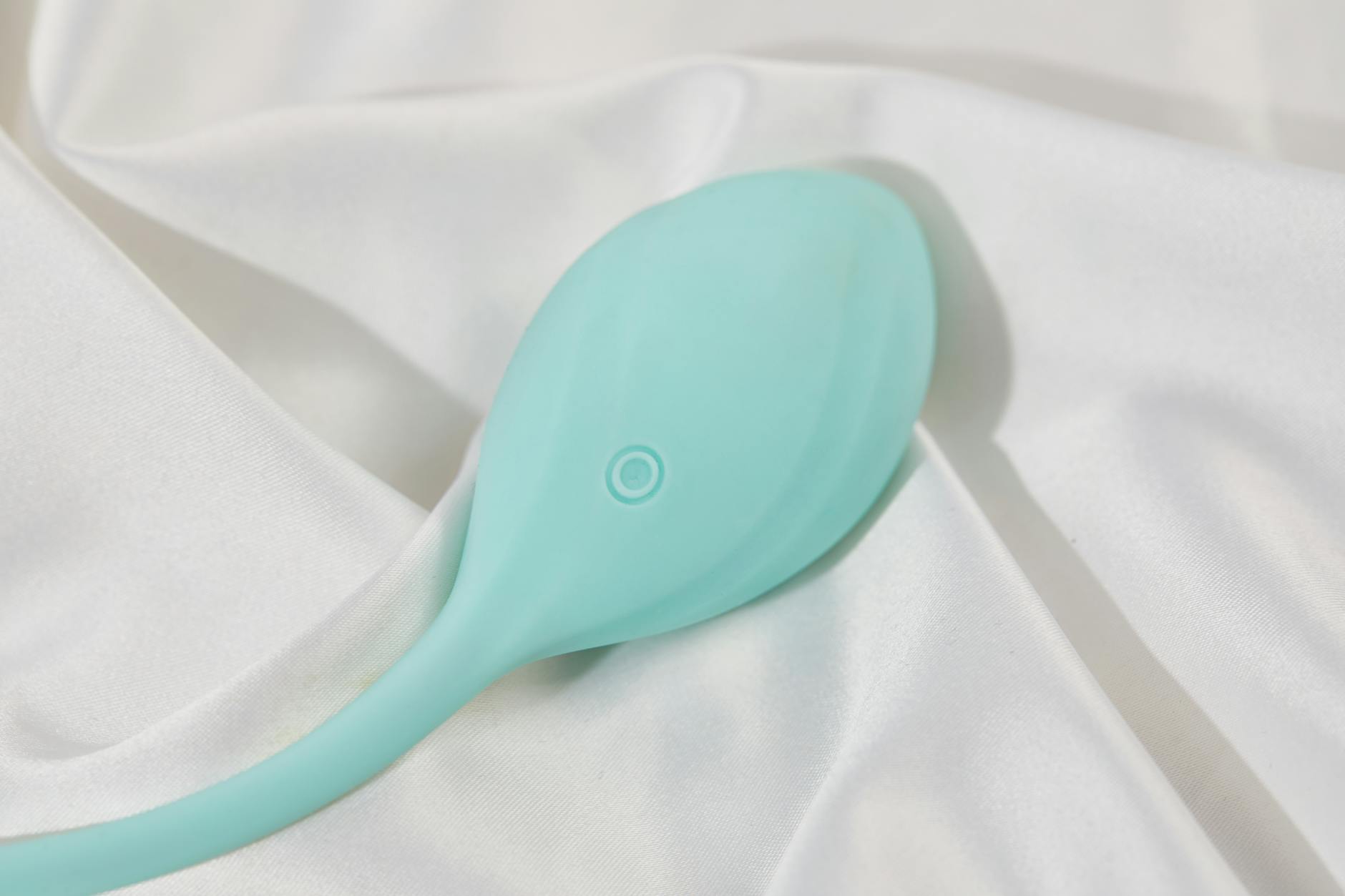
The honest part nobody tells you
You've probably heard that lemon vibrators and wand vibrators are just different tools for the same job. That's not quite right. They're different experiences built on different mechanics, and whether one works better for you has almost everything to do with your body, not your preference.
I'm talking about clitoral anatomy, nerve sensitivity, tissue thickness, and how your arousal actually builds. Get those things aligned with the right tool, and pleasure becomes intuitive. Pick the wrong one, and you're fighting your own body.
Here's what actually separates them and how to pick the one that belongs in your nightstand.
The fundamental difference: suction versus vibration
A wand vibrator works by shaking. The motor oscillates side to side or up and down, creating consistent, sustained vibration against your skin. It's broad, it's direct, and it works through persistent mechanical stimulus.
A lemon vibrator works differently. It uses air pulse technology to create suction patterns. The sensation isn't shaking. It's gentle rhythmic contractions that mimic oral sex, drawing blood to the clitoris through negative pressure rather than friction.
That distinction matters because your clitoris doesn't experience both sensations the same way. The clitoral head is packed with nerve endings, but those nerves are organized to respond differently to suction than to vibration. One feels like focused pressure building toward something. The other feels like texture and rhythm creating waves.
Who actually thrives with a wand
Wand vibrators work best for people with thicker clitoral tissue, lower inherent sensitivity, or who respond to sustained, broad stimulation.
You're probably a wand person if:
- Your clitoris doesn't feel overstimulation during long sessions. You can handle 20, 30 minutes of continuous contact without numbness or rawness creeping in.
- You prefer indirect stimulation. You'd rather put the wand on your outer labia or even your whole pubic mound rather than direct contact on the glans.
- You like building pleasure steadily. You want something that keeps delivering the same sensation longer, letting arousal climb gradually.
- You've tried clitoral vibrators before and found them too intense or too sharp. A wand's broader head distributes force, which can feel gentler.
- You're recovering from injury or surgery that makes direct touch painful. The wand's larger surface spreads sensation across more tissue.
Wand vibrators also tend to have more power. If you're someone whose body needs real intensity to cross the finish line, a wand often gets you there faster because the sheer force is higher.
Who actually thrives with a lemon vibrator
Lemon sexual toys and other suction vibrators excel for people with sensitive clitorises, those who get overstimulated easily, or anyone whose pleasure comes from rhythm and sensation change rather than raw intensity.
You're probably a lemon vibrator person if:
- Direct stimulation feels too much, too fast. You need something gentler that doesn't exhaust your nerve endings in minutes.
- You're recovering from or managing a condition like vulvodynia or neuropathy. Suction is gentler on inflamed tissue than vibration's mechanical shaking.
- Your clitoris is on the smaller side or more prominent. Suction toys like the lemon create a seal around the glans, which means the entire toy doesn't have to be perfectly positioned. There's room for variation.
- You enjoy arousal that feels like sensation shifting. You want patterns that change, rhythm that builds, something almost meditative where pleasure comes from the way the sensation evolves.
- You've experienced numbness from wands or vibrators before. Suction works through a different neural pathway, so even if vibration leaves you numb, suction often feels fresh and new.
- You're exploring after menopause, postpartum, or any phase where tissue is thinner or sensation has shifted. Suction doesn't require direct friction, so it works beautifully on more delicate tissue.
Suction vibrators also tend to have lower absolute power because they're not trying to vibrate. They're creating a pattern of pressure change. That's often enough, and it means less risk of the numbing effect that happens with sustained high vibration.
The sensitivity spectrum: where you actually fall
Honestly though, most people aren't purely one or the other. You fall somewhere on a spectrum, and your position might shift depending on your cycle, stress, arousal level, or medication.
One way to figure out where you are: think about the last time you masturbated with your hand or a toy. Did you prefer consistent, steady pressure and movement? That's wand territory. Did you prefer rhythm, texture, changing sensations, or patterns? That's lemon vibrator territory.
Another check: have you ever felt numbness from a vibrator? If yes, your sensitivity leans toward the lemon side. If you've never experienced that and find vibrators feel great, you might be wand-suited.
Don't just guess. This matters because picking the wrong tool wastes money and usually convinces you that external stimulation isn't for you. The tool was just wrong.
Body position and clitoral anatomy
Your actual clitoral structure also plays a role. Some people have a more recessed clitoris, where the glans is tucked under the hood. Others have a more prominent one. Some have longer inner labia that naturally provide cushioning. Others don't.
A wand's broad head works regardless of architecture because it covers a huge area. You can experiment with angles and positions without losing contact.
A lemon vibrator needs a tighter seal, which means it works better if you have enough tissue around the clitoral area to create that seal. If your clitoris is very recessed, you might need to use your fingers to gently draw back the hood and position the toy, which is fine and normal. If your anatomy is more typical, the lemon vibrator basically positions itself.
If you've never really explored your own anatomy, spending 15 minutes with a handheld mirror and zero pressure about it is worth the time. You're not checking for anything wrong. You're just understanding what you're working with.
Medication and hormonal shifts matter more than you think
If you're taking antidepressants, anxiety medication, or managing hormonal changes, your sensitivity baseline might have shifted from what it used to be. I see this constantly in my practice.
Someone who thrived with a wand vibrator for years might find that SSRI or menopause suddenly makes it feel too intense or ineffective. That's not failure. It's biology. A lemon vibrator often bridges that gap beautifully because it works through a different mechanism.
Similarly, if you're recovering from intimacy loss or working through anxiety, your nervous system might need gentler input. A lemon clitoral vibrator's rhythm-based sensation often feels less demanding and more meditative than a wand's persistent intensity.
The practical test: which one to actually buy first
If you're torn, here's my honest recommendation.
Start with a lemon vibrator if you're sensitive, recovering from anything (surgery, injury, medication changes, postpartum), managing a chronic condition, or just want something that won't exhaust your clitoris in three minutes. A lemon suction vibrator is lower stakes. It's gentler. It teaches you what pleasure feels like without overwhelming you.
Start with a wand if you know for absolute certain that direct vibration has worked brilliantly for you before, you want maximum power, and you're not sensitive to overstimulation. Wands are straightforward and they deliver.
Don't buy both at once unless you have money to burn. Pick one, use it for at least four or five sessions before deciding it's not for you. Your body needs time to learn a new sensation. That first session often feels strange because it's unfamiliar, not because it's wrong.
Duration and recovery matter
One more practical thing: lemon vibrators generally work better for longer sessions because they don't numb you out. You can explore patterns, switch between intensity levels, and keep going for 20, 30 minutes if you want to. Wands can too, but more people hit a numbness ceiling around 15 minutes with vibration.
If you're someone who loves extended, leisurely sessions where you're not rushing toward an orgasm but just enjoying sensation, a lemon vibrator tends to feel better over time. If you want efficiency and intensity, a wand gets the job done faster.
There's no wrong answer here. It's just different rhythms for different bodies and different moments.
FAQ: choosing your clitoral vibrator
Can I use a wand vibrator if I'm sensitive?
Yes, but you'll probably want to use it indirectly (on your labia or pubic mound rather than your clitoris directly) and start at low settings. Many sensitive people find that wands work better with underwear or a thin fabric layer between the toy and your skin. That said, if sensitivity is significant, a lemon vibrator usually feels more comfortable faster because the mechanics are gentler.
Is one more likely to give me an orgasm than the other?
Not inherently. Both can absolutely get you to orgasm. The difference is how that feels and how long it takes. Wands might get you there faster through sheer intensity. Lemon vibrators might take a few more minutes but feel more pleasurable along the way. Different, not better or worse.
What if I want to use it with a partner?
Both work well with partners. A wand is broader and might feel less claustrophobic for a partner to hold or control. A lemon vibrator is smaller and more precise, which some couples prefer. Check out our guide on using a lemon vibrator with a partner for more specifics.
My clitoris goes numb with vibration. Will a lemon vibrator feel different?
Very likely yes. Suction activates different nerve pathways than vibration. Many people who experience numbness from wands or traditional vibrators find lemon vibrators feel completely fresh. The sensation doesn't typically cause the same numbing effect because it's not sustained mechanical vibration.
Can I switch between both, or do I have to pick one?
You can absolutely have both, and some people prefer variety. That said, knowing which one is your go-to will save you money and help you understand your body better. Most people discover one really works for them and return to that more often.
What about wand versus lemon for sensitive clits after hormonal changes?
Lemon sexual toys and suction vibrators generally work better post-menopause or after hormonal shifts that have changed tissue. Learn more about how lemon vibrators adapt to hormonal changes. The gentler mechanism usually feels more intuitive for bodies in transition.
The actual decision
You know your body better than anyone. You know if you prefer texture and rhythm or sustained intensity. You know if direct touch feels good or too much. Trust that knowledge.
If you're still not sure, pick one, give it four solid tries, and pay attention to how your body responds. That's real information. After four sessions, you'll know whether you need to switch to the other option or whether you've just found your match.
Both lemon vibrators and wand vibrators are genuinely good tools. The right one is just the one that actually matches how your pleasure works. Everything else is marketing noise.