Here's what nobody tells you about blocked orgasms
You can be fully aroused, fully interested, and fully stimulated. And still nothing happens. Your nervous system is locked. Your pelvic floor is clenched so tight it feels like a fist, and no amount of direct stimulation is going to override that.
This isn't a libido problem. It's not a friction problem or a pressure problem either. It's a tension problem, and it's wildly common.
Why your pelvic floor holds everything hostage
Your pelvic floor muscles are the hammock of tissue that supports your bladder, uterus, and bowel. They're also the involuntary muscles that contract during orgasm. If they're already clenched from stress, anxiety, past trauma, or even just holding yourself together during the day, there's nowhere for them to go when arousal tries to build.
It's like trying to clench your fist tighter when it's already squeezed shut. The signal gets lost.
Think of it as the difference between a relaxed muscle that can contract with force versus a muscle already contracted that can't go anywhere. The second one just generates pain, numbness, or that frustrating sensation of being right there but unable to tip over into orgasm.
Stress, anxiety, and even perfectionism amp this up. Your nervous system locks your pelvic floor when you're in threat mode, which includes feeling like sex "should" lead somewhere or that you're running out of time. The pressure makes the tension worse, which makes the pleasure harder, which makes the pressure spike again. It's a cycle that feeds itself.
How lemon clitoral vibrators actually help break the pattern
Here's the counterintuitive part: you don't need more stimulation. You need better stimulation combined with actual pelvic floor release.
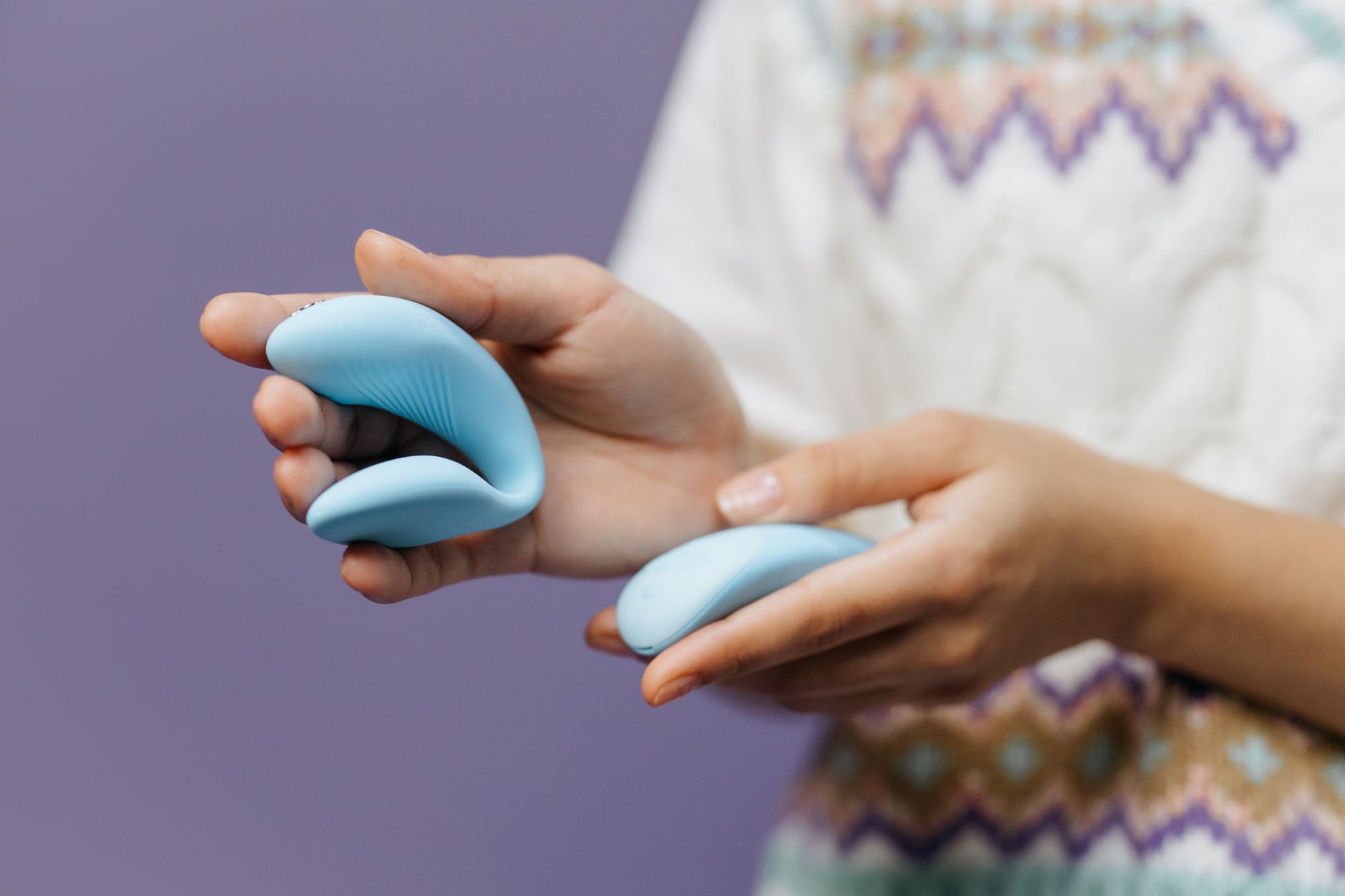
A lemon vibrator, especially one using suction technology, does something that hands or friction-based toys often can't do consistently. Suction engages nerves without requiring muscular effort from you. This means your pelvic floor doesn't have to "work" in the same way it does with vibration or pressure.
The suction creates a steady pull and release pattern that can actually communicate "it's safe to relax" to your nervous system. Your brain receives pleasure signals that don't require your body to hold tension to intensify. Over multiple sessions, your nervous system learns that pleasure doesn't require clenching.
The actual protocol that works
Step one: start with breathing. This isn't spiritual nonsense. Shallow breathing signals danger to your vagus nerve, which keeps your pelvic floor locked. Spend two to three minutes on exhales that are longer than your inhales. Inhale for four counts, exhale for six. Your pelvic floor will automatically start to soften.
Step two: before you even touch yourself, place your hand on your lower belly and check in. Can you feel your pelvic floor? Try a gentle kegel (tighten for one second, release). If you can't tell the difference between clenched and relaxed, you've found your problem. Practice alternating between the two, then end in the relaxed state. Do this for a minute. Your body is relearning the resting position.
Step three: use your lemon vibrator on a very low setting. Not because you want a weak sensation, but because low intensity tends to trigger relaxation rather than more tension. Start at patterns one or two. Spend five to ten minutes here. The goal is not orgasm. The goal is teaching your nervous system that pleasure doesn't require clenching.
Step four: once you feel your pelvic floor starting to loosen (you'll notice a subtle softening, almost like a sigh), you can gradually increase intensity. But stay connected to what your body is doing. The moment you feel yourself tensing up, back off. Return to breathing and gentle sensation. Think of it as negotiating with your nervous system rather than forcing through it.
Step five: when orgasm starts to approach, many people tense up out of habit. Notice if you're doing this. Try the opposite. Consciously relax deeper into the sensation instead of gripping toward it. This feels weird the first few times. It works anyway.
The role of a partner during this process
If you're working with a partner, the worst thing they can do is watch and wait for results. The pressure of performance will lock your pelvic floor tighter.
Instead, make this about exploration together rather than outcome. Use a clitoral vibrator when exploring solo play after years of partnered sex first, get comfortable with the sensation in a low-pressure environment, and then invite your partner to participate without expectation.
If they're in the room, they can help with breathing cues or simply be present without watching. Some couples find it helpful for the partner to focus on their own pleasure simultaneously, which removes the spotlight and lets you focus inward.
When this is pointing to something bigger
If pelvic floor tension persists even after weeks of gentle work, it's worth checking in with a pelvic floor physical therapist. Trauma, chronic pain conditions, or significant anxiety sometimes require professional assessment before toys alone can help.
Similarly, if you notice pain rather than just tension, stop and get evaluated. Pain is information. Pleasure should never require pushing through pain.
But if it's purely tension rooted in habit, stress, or learned patterns, a lemon vibrator combined with nervous system regulation can absolutely shift things.
The timeline that's realistic
Don't expect this to flip in one session. Your nervous system has spent months or years learning this pattern. It learns new patterns the same way it learned the old ones: through repeated, gentle exposure.
Most people start noticing differences around session four or five. By week three, the shift is usually obvious. You're arriving less tense, relaxing faster, and when orgasm comes, it feels fuller because your body isn't holding back.
The secondary win is that you stop fearing the stuck feeling. Once you realize you can use your lemon vibrator and intentional breathing to shift your nervous system, the performance anxiety drops. And that alone loosens everything up.
FAQ
Can pelvic floor tension really prevent orgasms even if stimulation feels good?
Absolutely. You can feel intense sensation and still not reach climax because the muscles can't contract fully. It's like pressing the accelerator and brake at the same time. The signal gets stuck. The good news is this is entirely reversible with the right approach.
Why does suction work better than vibration for pelvic floor tension?
Suction creates a different neural pathway than vibration. It engages nerves without requiring muscular tension from you. Many people with pelvic floor tension find that traditional vibration amplifies the clenching, while suction teaches relaxation. A lemon clitoral vibrator uses this principle to help.
How do I know if I have pelvic floor tension versus something else?
Try this: can you do a kegel and then fully relax? If you can't feel the difference, or if you're always somewhat clenched, that's tension. If orgasms feel stuck or blocked despite good sensation, that points to pelvic floor tension. If you have pain, that's different and needs professional assessment.
Should I do kegels if I have pelvic floor tension?
Not traditional kegels. In fact, kegels can make tension worse. Instead, practice the opposite: learning to release and relax. Once your pelvic floor is calm, light kegels can help with awareness, but focus on release first.
Can breathing really make a physical difference?
Yes. Breathing length signals your nervous system whether you're safe or threatened. Longer exhales activate your parasympathetic nervous system, which is required for relaxation and orgasm. Short, shallow breathing keeps you in threat mode, which locks your pelvic floor. Breathing is not a substitute for touch, but it's foundational.
How long until I see real results with my lemon vibrator?
Most people notice subtle shifts by session four or five. Significant changes usually show up within two to three weeks of consistent practice. It depends on how long the tension has been there and how much daily stress you carry. Be patient with yourself. Your nervous system is learning something new.