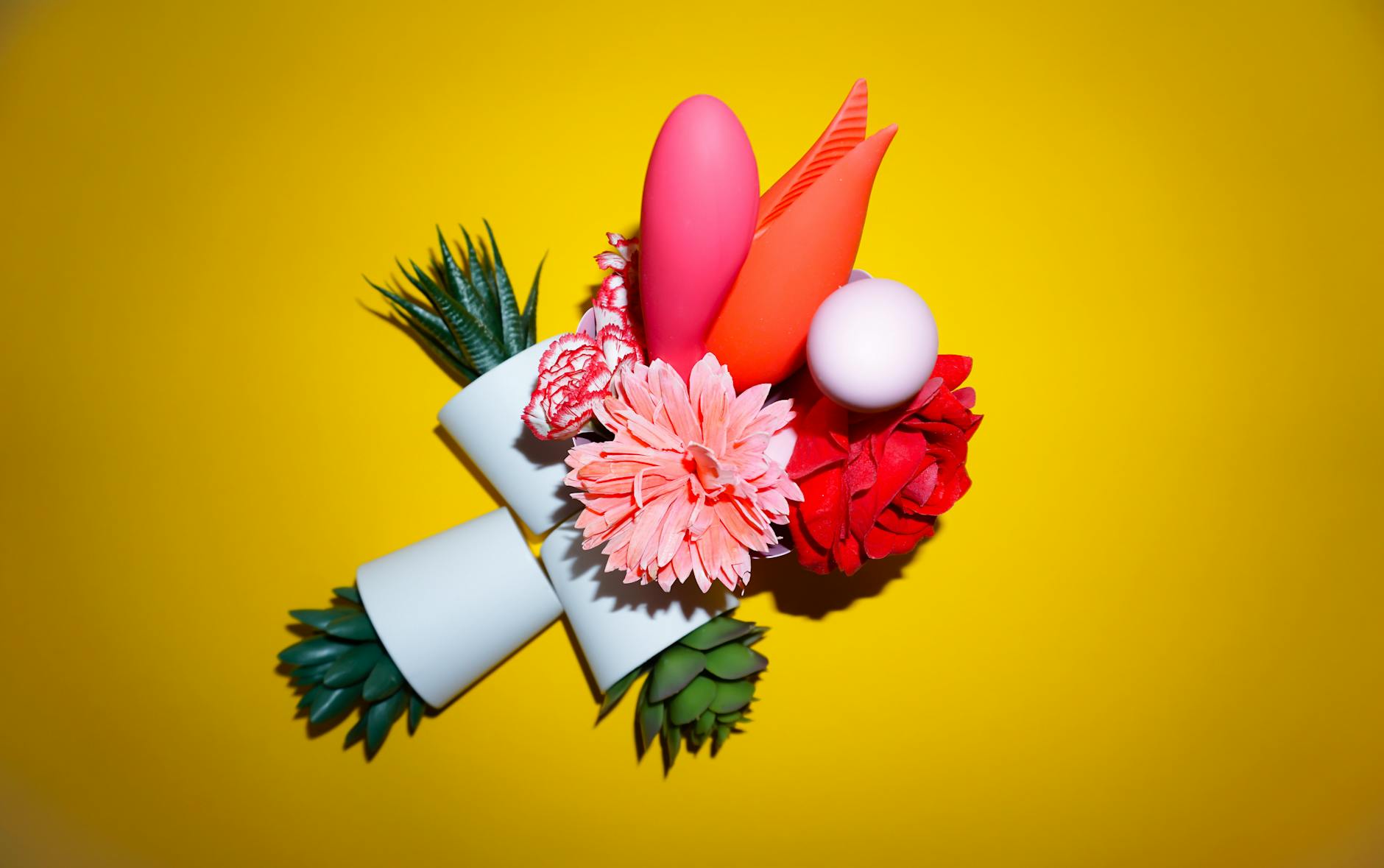
Here's what hormones actually do to pleasure
Let's be real: your body doesn't pleasure the same way every single day. Hormonal fluctuations change blood flow, lubrication, tissue sensitivity, and how quickly your nervous system responds to touch. This isn't a flaw. It's biology. And once you understand it, you can work with it instead of feeling like something's broken.
The frustrating part is that most people never learn this. You just notice that what worked last week doesn't work the same way this week, and then you blame yourself. That's the actual problem.
What shifts with your cycle (and what doesn't)
Your estrogen and testosterone levels fluctuate throughout your cycle or across different life phases. This affects:
During the follicular phase (days 1-13). Estrogen is rising. Tissue becomes more engorged, lubrication increases naturally, and your nervous system becomes more responsive to stimulation. Sensation often feels sharper, more direct. Orgasms can come faster.
During the ovulatory phase (days 14-15). Testosterone peaks. Desire spikes. You're at the window where everything feels easiest. This is often when people with vibrators report the most intense sensations.
During the luteal phase (days 16-28). Progesterone rises, estrogen dips. Tissues feel less engorged. Lubrication decreases. Your nervous system becomes less responsive to external stimulation. You might need more intensity or longer warm-up to reach the same sensation. This is also when you're most likely to want touch that's grounding and internal, not just surface stimulation.
Here's what doesn't change: the nerve endings in your clitoris, your capacity for pleasure, or your ability to orgasm. You're not less capable. You're just working with different neurochemical conditions.
Why a lemon vibrator adapts better to hormonal shifts
Most vibrators rely on one thing: friction or direct vibration intensity. When your tissue sensitivity changes, you're stuck either with too much (which becomes painful) or too little (which doesn't register). This is why people often say pleasure "disappears" during certain times.
A lemon clitoral vibrator uses suction technology, which works differently. Instead of hammering a single spot, it creates a gentle pull that stimulates the entire clitoral network, including tissue depth. This matters because:
Suction is adaptable. You can start on the lowest intensity and gradually build, which works with your nervous system's responsiveness instead of fighting it. When tissue is engorged and sensitive, low settings feel amazing. When tissue is less responsive, you can shift to a higher pattern without pain.
Suction reaches deeper nerve clusters. The clitoris isn't just the external button you can see. It's a complex network that extends internally. Suction stimulates both the surface and the deeper tissue at once. This means even when surface sensation is muted, deeper pleasure pathways are still firing. That's why people often report finding intensity they couldn't access before when their hormonal window was narrower.
You control the experience in real time. With a lemon vibrator, you're not locked into one pattern or intensity. You can move it, adjust pressure, change patterns mid-session. This responsiveness is crucial when your body's signals are shifting.
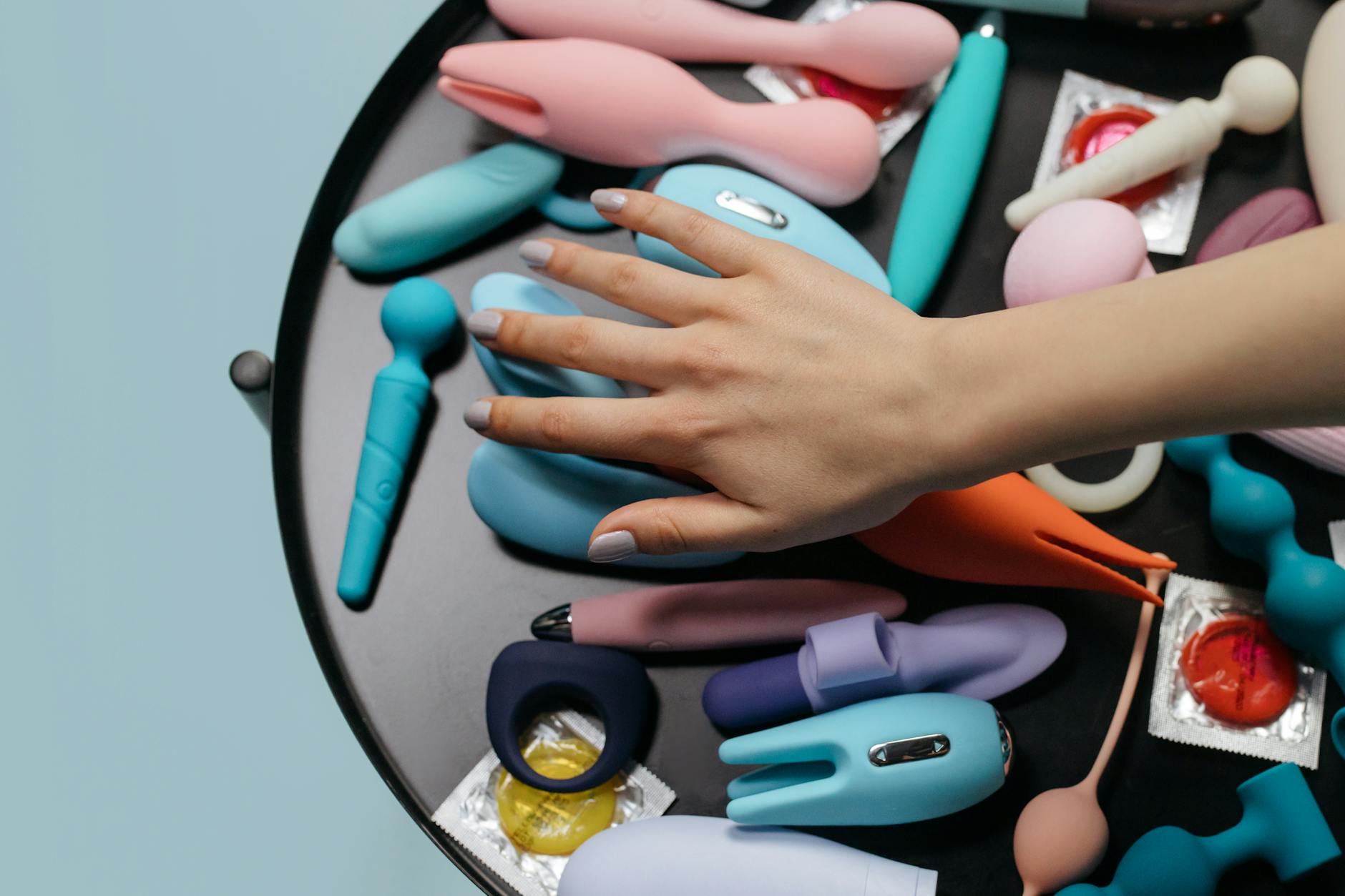
Photo by cottonbro studio on Pexels
How to adjust your rhythm with hormonal changes
Four practical shifts that track with your cycle or life phase:
Follicular phase: go faster. When estrogen is high and tissue is responsive, you can use higher intensity patterns earlier in your session. Your body is ready for direct stimulation. Start at patterns 2-4 on a lemon vibrator and let arousal build quickly. This is often when people reach orgasm in 5-10 minutes.
Ovulatory phase: experiment. This is your peak sensitivity window. This is when to try patterns you normally skip, combine with a partner, or explore new sensations. Your nervous system is primed for novelty. Most people find their strongest orgasms during this window.
Luteal phase: slow down and deepen. Your body needs longer warm-up now. Start at patterns 1-2. Budget 15-25 minutes. Use more lubricant even if you don't think you need it yet, because tissue is less engorged and lubrication might feel thin. Focus on gentle pressure and longer sessions rather than intensity. What feels "not enough" at day 20 is actually perfect for where your body is.
Menstrual phase: tune into sensation. Some people want nothing during their period. Others find that pelvic stimulation helps with cramps and feels grounding. If you want to play, keep intensity low and use plenty of lubricant. Many people find that internal stimulation or very gentle suction feels better than the high-intensity pressure they'd use mid-cycle.
When hormonal shifts feel more dramatic
Sometimes the changes aren't just about your cycle. Hormonal birth control, coming off hormonal birth control, or moving through perimenopause and menopause create bigger swings. Your sensitivity might feel like it's disappeared, or it might shift to sensations you've never noticed before.
This is when understanding your lemon vibrator's range becomes crucial. You have 12 patterns. Start at 1. Let yourself spend a week or two really exploring where sensation lives at this new hormonal baseline before deciding something's wrong. Often sensation isn't gone. It's just moved.
If you're using hormonal birth control and considering stopping, keep in mind that your pleasure map will shift over 3-6 months as your hormones rebalance. Pleasure recovery after hormonal birth control changes is its own journey, and patience is the main tool.
Communication with a partner when hormones shift
If you're exploring pleasure with someone else, the hormonal conversation often gets tangled with emotional stuff. "I need more intensity this week" can feel like "you're not doing it right" to a partner. Separate those conversations.
Here's what actually helps: tell them when you're entering a different phase. Not as "I'm not as into it," but as "my body is responding differently right now, so we might need to adjust." A lemon vibrator actually makes this easier because you're not asking your partner to intuit a change. You're showing them the tool that adapts. You can even hand them the device and show them how the patterns shift your response in real time.
This turns hormonal variance from a problem into shared information. And that's a different conversation entirely.
Tracking what works across your cycle
You don't need an app. Just notice for two weeks: which pattern feels best on day 8? Day 16? Day 22? You'll start to see the rhythm. Once you see it, you stop feeling broken. You start feeling informed.
Most people find that they have a "sweet spot" pattern for each phase. Maybe pattern 4 is your ovulatory standard, but pattern 2 is what makes sense luteal phase. Once you know this, you stop wasting time trying to force the wrong intensity and start just selecting what your body is asking for.
Hormonal changes aren't a obstacle to work around. They're information about how your body is actually functioning. A good lemon clitoral vibrator gives you the tools to listen to that signal instead of fighting it.
FAQ: Hormonal shifts and pleasure
How long does it take to notice how my hormones affect sensation with a lemon vibrator?
Most people notice shifts within two weeks if they're tracking. Some shifts are dramatic (a pattern that worked great now feels too intense), and some are subtle (you need an extra five minutes of warm-up). Start paying attention to what pattern and intensity you're reaching for each week, and patterns usually emerge by the second cycle.
Can hormonal birth control stop a lemon vibrator from working?
Not stop it, but change it. Hormonal birth control flattens your cycle, so hormone-driven sensation shifts become smaller. Some people on hormonal birth control find that one or two patterns on a lemon vibrator work consistently across the month. Others find sensation is more muted overall and benefit from using higher patterns regularly. The device isn't less effective. Your baseline just shifted.
What if my hormonal phase makes me want pleasure but I feel numb to sensation?
This is often a sign that you need more warm-up, more lubrication, or a shift to a lower intensity that you then gradually increase. Sometimes numbness is also a sign of emotional disconnection, stress, or medication side effects rather than hormones. When medication changes affect sensation is a deeper dive into this. If numbness persists across multiple cycles despite adjusting your approach, check in with a doctor.
Does perimenopause change how a lemon vibrator works?
Yes. Perimenopause brings unpredictable hormone swings, often more extreme than a regular cycle. Tissue sensitivity becomes harder to predict. Some days you need pattern 1, some days you need pattern 8. Many people find that longer, slower sessions with extra lubrication become their baseline during perimenopause. A lemon vibrator's range and adaptability actually shine here because you're not locked into one intensity.
Can I use a lemon vibrator if I'm on hormone replacement therapy?
Absolutely. HRT stabilizes your hormone levels, so sensation often becomes more consistent than it was during perimenopause. Many people find that HRT actually restores sensation they'd lost. Your lemon vibrator will work the same way it did before perimenopause, or sometimes even better because you're no longer fighting hormone swings.
What if hormonal shifts make me want completely different types of pleasure?
That's normal and actually really common. Some people want intense external stimulation mid-cycle and slow internal sensation luteal phase. Others want the opposite. A lemon vibrator's patterns and your ability to control pressure means you can shift your whole approach without needing different tools. Pay attention to what you actually want during each phase instead of trying to force one preference across the entire month.
The real thing about hormonal pleasure
Your body isn't playing tricks on you. It's responding to real biochemistry. Once you stop fighting that and start working with it, pleasure doesn't disappear. It just gets more interesting because you're not locked into one narrow window of what feels good.
A lemon vibrator's design means you have the flexibility to meet your body wherever it is in your cycle. That's not a compromise. That's actually how consistent pleasure works.