
Let's talk about what actually happens between orgasms
Here's the thing nobody explains clearly: multiple orgasms aren't about being extra horny or having some special anatomy. They're about what happens in your nervous system in the 10 to 90 seconds after you come. That window is everything.
After an orgasm, your body enters what's called the refractory phase. For people with clitorises, this used to be described as super short or nonexistent, which is partly true. But that's only half the story. Your clitoris actually needs a specific type of stimulation during that window to build toward another one, and that's where most people get stuck.
Why suction toys change the game for multiple orgasms
Traditional vibrators work through friction and direct pressure. After you come, continuing that same pressure often feels overwhelming, uncomfortable, or even numb. Your nervous system needs to reset slightly before it can build arousal again.
A lemon vibrator uses suction instead of vibration alone. This matters because suction activates different nerve pathways than friction does. When you finish your first orgasm and keep the suction light and rhythmic, your clitoris doesn't get overstimulated. Instead, it stays engaged without the sharp intensity that causes discomfort.
Think of it like this: a traditional vibrator after orgasm is like someone tapping your shoulder repeatedly when you're already startled. A suction toy is like someone holding your hand gently and waiting for you to settle before moving again.
The three-phase approach to building consecutive orgasms
Phase one: the build. This is your typical arousal sequence. Take your time. Twenty to thirty minutes is standard for building deep arousal, especially if your body tends toward slower response. Use your lemon clitoral vibrator on lower settings, build your pattern, and don't rush to intensity.
Phase two: the first orgasm. When you're close, you can increase the suction level, but here's what matters: keep the pattern consistent. Your brain and body learn that pattern, and that learning is what makes multiple orgasms possible. Changing patterns mid-orgasm actually resets your nervous system's progress.
Phase three: the micro-break and rebuild. This is where everyone gets confused. After you orgasm, don't turn off the toy immediately. Instead, reduce the suction intensity dramatically. Go from level four back down to level one or two. Keep it on your clitoris, but barely touching with the lightest suction available. This does two things: it keeps your nervous system from fully disconnecting, and it prevents the overstimulation crash that makes people feel numb.
Stay at that light intensity for 20 to 40 seconds. Your job during this time is just to breathe and notice sensation without trying to build anything. Then, slowly increase the intensity again, but this time stay one or two levels below where you were during the first orgasm. Your body should be ready to build another peak within two to five minutes.
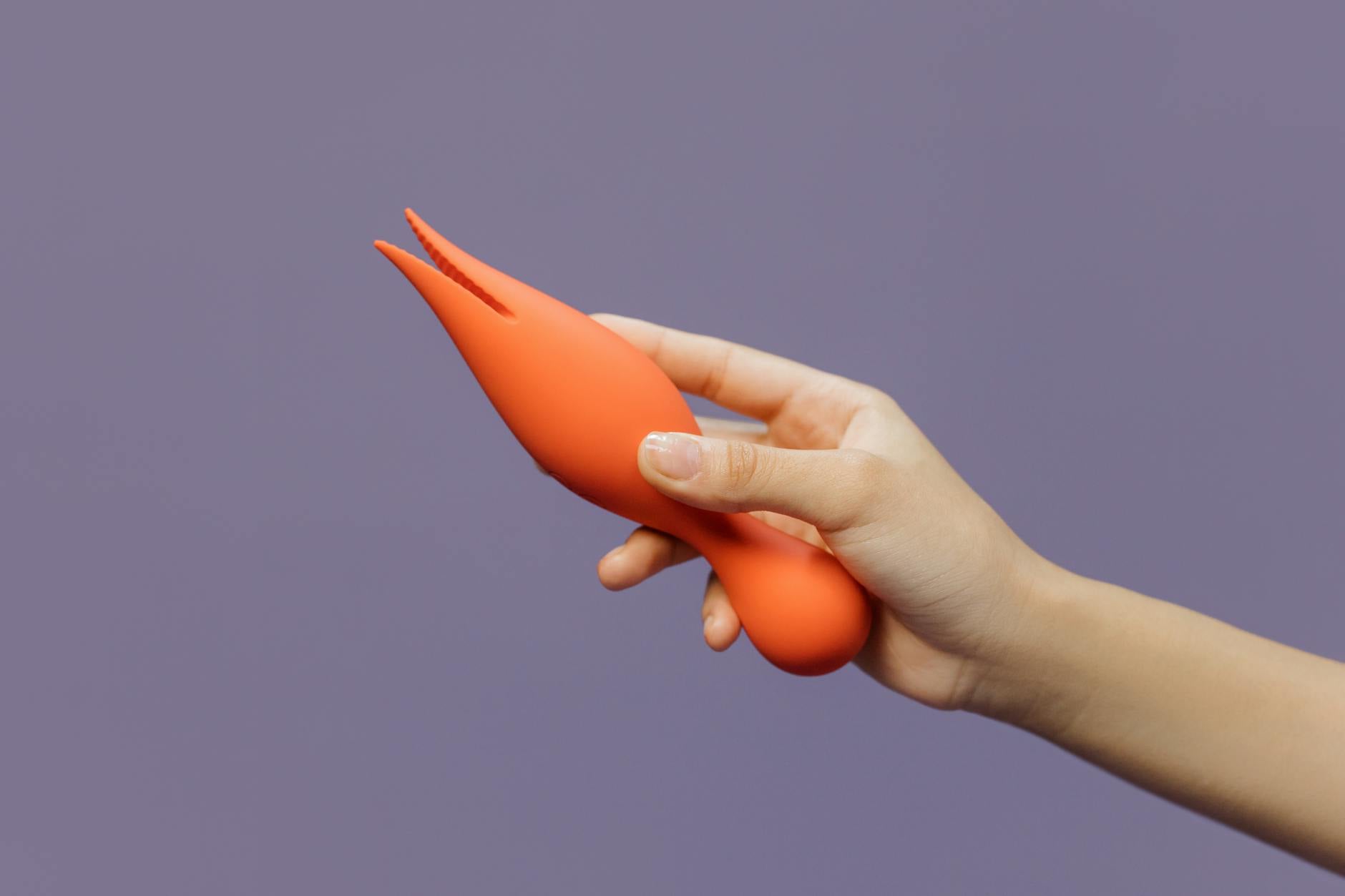
Photo by cottonbro studio on Pexels
The psychological part that changes everything
Here's what I see with couples and solo players who struggle with multiple orgasms: they're trying to force it. The moment someone says "I want three orgasms tonight," their brain starts monitoring whether it's happening, which kills arousal instantly.
Multiple orgasms are not a destination. They're what happens when you stay curious about sensation without a timer running. The goal isn't the orgasms. The goal is feeling good. If one orgasm feels complete and satisfying, that's a success. Two is a bonus. Three is a gift.
The pressure to perform multiples, ironically, makes them harder to access. So here's what I recommend: plan a session where you're exploring what's possible, not proving what's achievable. The mental shift from "I need to have multiple orgasms" to "I'm going to spend 45 minutes seeing what my body is capable of" changes everything neurologically.
Pacing through a longer session
If you want to stack three or more orgasms, you need to understand that each one requires a slightly different approach.
The first orgasm is the build. It's the longest, and it requires the deepest arousal and the most time. Plan 20 to 30 minutes before you even get close.
The second orgasm typically comes faster. Your body is already warmed up, your nervous system knows the sensations, and the refractory window is genuinely shorter. Expect five to ten minutes between the first and second peak.
The third orgasm is where most people hit a wall. It's not that the body can't do it. It's that you've been stimulating the same nerves for 40+ minutes, and even though suction toys are gentler than vibration, fatigue is real. Here's the fix: diversify the sensation. If you've been using a steady, rhythmic suction pattern, switch to a pulsing pattern. If you've been focused on the clitoral head, shift slightly to one side. Small changes in pressure point or rhythm can reignite sensation that felt like it was fading.
Beyond three orgasms in one session, you're hitting diminishing returns for most people. Your body genuinely needs recovery time, and chasing sensation past that point often leads to numbness or irritation rather than pleasure.
The recovery rhythm that actually matters
Between each orgasm, your nervous system is doing real work. It's resetting neurotransmitter levels, managing blood flow, and recalibrating sensation. You can't speed that up by willpower, but you can support it with intentional recovery micro-breaks.
After your orgasm, when you drop the intensity down, that's not just a mechanical break. It's a parasympathetic reset. Your body is still engaged, but it's shifting from peak activation back toward baseline arousal. That shift has to happen for the next peak to be possible.
Some people need 30 seconds in that window. Others need two minutes. The only way to know is to pay attention to your own body's signals. If you feel like sensation is building again naturally, you're in the right recovery window. If you feel irritated or numb, you pushed through the window instead of respecting it.
The lemon vibrator's variable suction intensity makes this doable. You're not turning the toy off and on, which can feel like starting completely over. You're modulating within a range that keeps you in the arousal system while letting your nervous system recalibrate.
Common mistakes that kill multiple orgasms
Mistake one: assuming you need more intensity. People think if they jump from level two back to level five immediately after orgasm, they'll build faster. The opposite happens. Your nervous system gets overwhelmed and shuts down. Lower is almost always better during the recovery phase.
Mistake two: changing pattern constantly. Your brain learns rhythm. If you're on a steady suction pulse during your first orgasm and you switch to a random pattern mid-recovery, you're asking your nervous system to relearn something it just figured out. Stick with the same pattern, just at lower intensity, during the recovery window.
Mistake three: skipping warm-up between sessions. Some people think once they've had one orgasm, they don't need to build arousal for the second. Not quite. You need much less build time (maybe five minutes instead of thirty), but you do need to rebuild some arousal. Jumping straight back to level four without that runway creates sensation without depth, and depth is what makes multiples feel good rather than just intense.
Mistake four: going too long. This isn't actually a mistake, more of a reality check. After 45 to 60 minutes of continuous stimulation, your tissues get tired, numbness creeps in, and the quality of sensation declines sharply. Plan for shorter, focused sessions rather than marathon attempts.
When multiple orgasms feel impossible
Some bodies genuinely struggle with consecutive peaks, and that's not a problem to fix. It's information.
If your refractory phase is genuinely long, that's just how your nervous system is wired. Some people need 20 minutes between orgasms. Some need hours. There's no "normal" here.
If numbness appears during the recovery window and doesn't resolve, that's usually overstimulation. It means you need more recovery time or lighter touch during rebuilding. When you start experiencing clitoral numbness, the fix is often about giving your nervous system actual rest between sessions, not pushing through during a single session.
If you're on medication, particularly SSRIs or other mood medications, your refractory window might be genuinely longer, or multiples might be harder to access. That's not something a technique can override. If antidepressants numb your pleasure, the conversation is with your prescriber about timing or dosage, not with yourself about trying harder.
The mental game that makes it sustainable
Honestly, the biggest shift I see is when people stop treating multiple orgasms like an achievement and start treating them like a side effect of really good foreplay with themselves or a partner.
The moment you're having fun exploring sensation, your nervous system relaxes. That relaxation is what opens up multiple peaks, not the other way around. Stress and performance pressure are actually constrictors of the nervous system. They make everything tighter, faster, more defensive.
If you want multiple orgasms as part of your sex life, the actual work is creating the conditions where your body feels safe enough to explore them. That's a lemon clitoral vibrator, sure. But it's also patience, curiosity, and genuinely not caring whether it happens. That's the real formula.
People also ask
Is it normal to feel numb after one orgasm with a lemon vibrator? Yes, if you jump straight back to high intensity. The numbness usually signals overstimulation. Drop the intensity to level one or two during the recovery window, and the sensation almost always returns within 30 to 60 seconds.
How many times can you actually orgasm in one session? It varies wildly by person and day. Two to three is common. Beyond that, diminishing returns start to kick in. Quality matters more than quantity. One incredible orgasm beats three mediocre ones.
Do you have to use a suction toy to have multiple orgasms? No, but suction toys like the lemon vibrator make the recovery window more manageable because they don't require constant friction. Traditional vibrators can work for multiples, but the overstimulation risk is higher. Suction just makes it easier.
Does your body "learn" to have multiples, or is it just luck? Your nervous system does learn rhythm and pattern. That's why consistency matters. If you practice this approach regularly, your body does become more efficient at building peaks and managing the recovery window. But you have to actually practice, not just think about it.
Can partners help you have multiple orgasms? Absolutely, but it requires communication. They need to understand the intensity modulation, the importance of pattern consistency, and the fact that during recovery phases, less is more. If you're exploring this with a partner, show them the intensity levels, talk about what feels good during recovery, and treat it like collaboration, not performance.
What if multiple orgasms never feel good, even with the right technique? Your body might just not be wired that way, and that's genuinely fine. Some nervous systems prefer single, deep peaks to multiple lighter ones. That's not a limitation. It's a preference. Work with your body instead of against it, and you'll have better sex either way.
Multiple orgasms aren't the goal. Better sensation, more pleasure, and deeper connection to your own body are the actual goals. Sometimes that lands as multiples. Sometimes it's one orgasm so good you don't need another. Either way, you're winning.
If you want to explore this further, consider talking to someone about what consistent pleasure looks like for your specific body. There's no one-size-fits-all here, and that's what makes it worth understanding.