How clitoral numbness actually happens
Let's get real for a moment. You're not broken. Clitoral numbness is one of the most common sexual concerns I hear about in sessions, and almost nobody talks about it openly. It sneaks up quietly. One year you're having regular orgasms. The next, you're touching yourself and feeling almost nothing. It's disorienting, sometimes scary, and absolutely fixable.
Here's what's happening physiologically. Clitoral numbness has three main culprits: medications (especially SSRIs and antihistamines), chronic stress and burnout flattening your nervous system, or aging and hormonal shifts reducing blood flow and nerve sensitivity. Sometimes it's all three at once. The skin of the clitoris has thousands of nerve endings, and when any of these factors interfere with blood flow or nervous system responsiveness, those nerves go quiet.
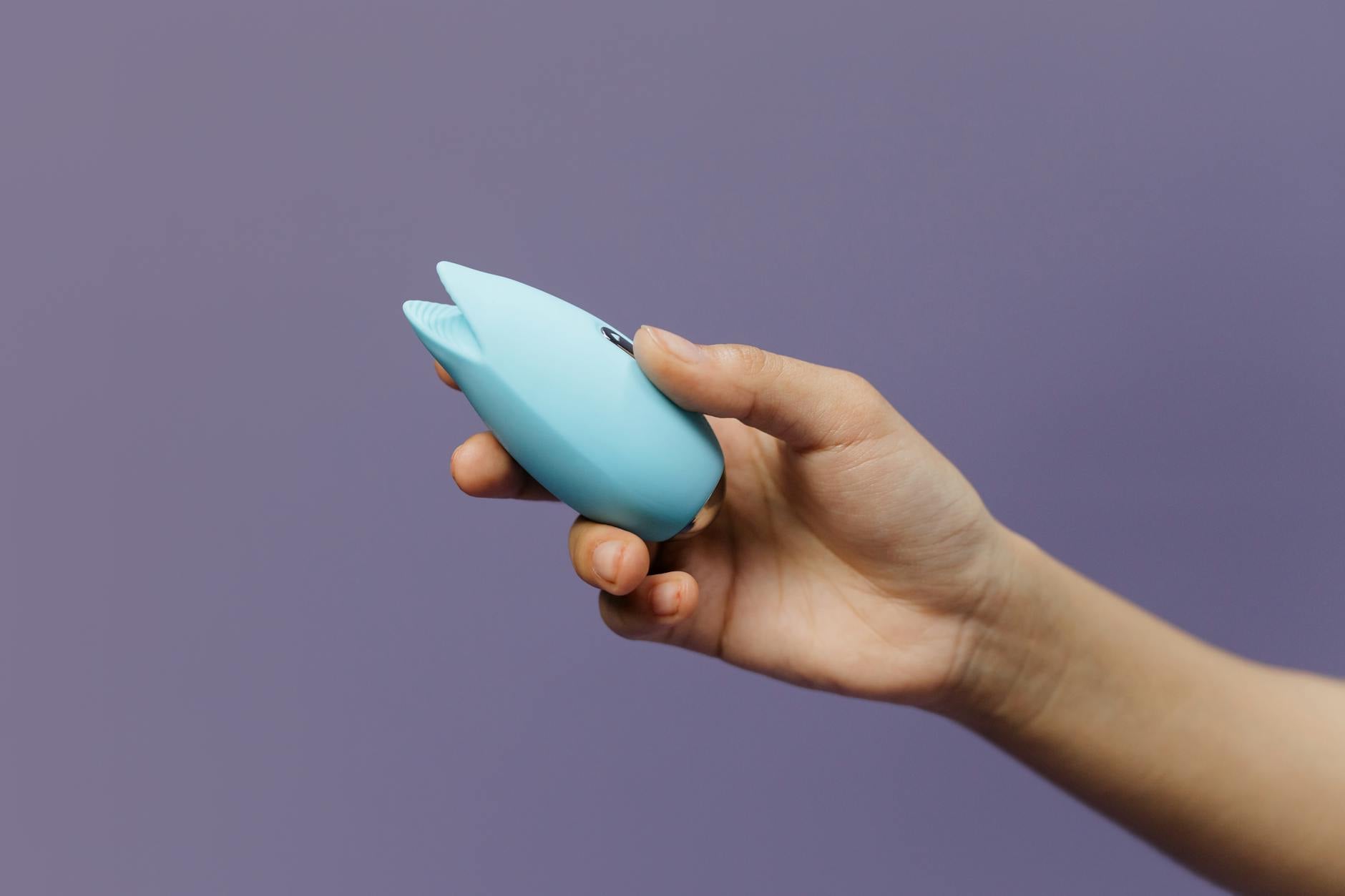
The good news is this: numbness is not the same as loss of capacity. Your clitoris still has those nerves. Your brain still has those pathways. What's missing is activation. And that's where tools like a Lemon clitoral vibrator shift everything.
Why standard vibrators often don't help (and suction does)
If you've tried a regular vibrator and felt nothing, don't assume vibrators in general won't work. The problem is usually the mechanism. Traditional vibrators rely on repetitive mechanical stimulation, which can actually numb an already-desensitized clitoris further. It's like tapping someone on the shoulder repeatedly. Eventually they stop noticing.
Suction works differently. Instead of friction, it creates a gentle rhythmic pull that draws blood into the tissue, wakes up nerve endings through pressure rather than friction, and creates a kind of whole-body response rather than localized buzzing. For people experiencing numbness, suction often feels like sensation returning rather than sensation being imposed.
This is why clitoral suction toys have become such an important option for people with numbness from antidepressants, aging, or chronic stress. The mechanism itself is therapeutic.
Starting with suction if your clitoris feels numb
Here's the practical part. If you're picking up a Lemon vibrator for the first time and you're dealing with numbness, the setup matters more than you'd think.
Start at the lowest setting. Even if you feel nothing at first, resist the urge to crank it up immediately. Numbness often comes with a frustration impulse to "push harder." That's backward. Begin with pattern one and spend 5-10 minutes there. Your nervous system needs time to recognize the signal again.
Use it dry at first, then add lubricant. Direct contact on the clitoris can feel too intense if you're numb. A thin layer of water-based lubricant actually helps the suction work better because it creates a seal without the rawness. Start without it, but don't skip it after the first few sessions.
Position matters. Lie on your back with a pillow under your hips, legs relaxed or slightly spread. The angle shouldn't require tension. Tension is what keeps numbness in place. Your pelvic floor should be completely soft, almost like you're melting into the bed.
Expect a learning curve. Most people don't experience anything on the first try. This is normal. Your nervous system is relearning what pleasure feels like. Give yourself 3-5 sessions before you evaluate whether it's working. Often on session two or three, something clicks and you feel a pulse or warmth that wasn't there before.
The role of your nervous system (and stress)
Here's something people don't often connect: if your numbness came from chronic stress or burnout, the vibrator alone won't fix it. You're dealing with a nervous system that has downregulated itself as a survival mechanism. Your body literally learned to feel less because you were running on empty.
This means the context matters as much as the tool. Numbness often improves faster if you're also:
Reducing overall stress load. Even small shifts count. One client who worked in high-pressure sales used her Lemon vibrator every evening as a way to mark the boundary between work and home. The ritual itself, not just the sensation, started rewaking her responsiveness.
Sleeping better. Seriously. Sleep deprivation flattens your entire nervous system, including sexual response. You can't expect your clitoris to light up if the rest of your body is running on fumes.
Moving your body. Regular exercise, especially walking or yoga that emphasizes breath, helps regulate your nervous system back to baseline responsiveness.
Limiting alcohol. This one's tough to hear, but regular drinking numbs you further, and it compounds medication-related numbness. Worth paying attention to if sensation is your priority.
When numbness comes from medication
If your numbness is coming from an SSRI or similar medication, talk to your doctor. There's sometimes a lower dose that preserves benefit without the sexual side effect, or a different timing for when you take it. This is a conversation worth having. You're not being vain. Sexual function is part of overall health.
In the meantime, a Lemon clitoral vibrator can absolutely help. Some people find that using it regularly actually improves sensation even while staying on the same medication. Why? Consistent stimulation and blood flow to the area help maintain nerve responsiveness. Think of it as physical therapy for your clitoris.
One important note: if you've just started a new medication and feel numb, give it 6-8 weeks before assuming it's permanent. Many sexual side effects from SSRIs improve on their own as your body adjusts. If numbness persists beyond that window, bring it up with your provider.
Building sensation back gradually
Once you've had your first real sensation response, resist the urge to jump to higher intensities immediately. The goal isn't the strongest orgasm possible right now. It's rebuilding trust between your nervous system and pleasure. That takes time.
A realistic progression might look like this.
Weeks 1-2: Patterns 1-2, focusing on noticing any subtle response. Warmth, tingling, gentle pulsing. Any of it counts.
Weeks 3-4: If response is improving, try patterns 2-3. You're looking for consistency, not intensity.
Weeks 5-6: Gradually work up to patterns 3-5 if sensation continues returning. By now, some people are experiencing real arousal and orgasm again.
Everyone's timeline is different. Some people regain full sensation in 2-3 weeks. Others take 8-12 weeks. Patience actually speeds up the process because frustration and pressure keep your nervous system locked down.
What to expect as sensation returns
When numbness starts lifting, it doesn't always feel like what you remember. Often it feels different. Less electric, sometimes more subtle. Some people describe it as warm and spreading rather than sharp and localized. That's not wrong. That's just what your particular nervous system feels like now.
Orgasms, when they return, might take longer to reach. They might feel different in intensity or duration. And that's completely fine. You're not trying to recreate your 25-year-old orgasms. You're building new ones with your current body and nervous system.
Most importantly, sensation often doesn't return in a straight line. You might have a great session one day and then feel numb again. That's not backsliding. That's just how nervous system regulation works. It's nonlinear. Keep using your Lemon vibrator regularly anyway. Consistency matters more than intensity.
When to see a specialist
If you're six weeks in, using a suction toy regularly, addressing stress and sleep, and still experiencing complete numbness, it's worth talking to a gynaecologist who specializes in sexual health. Sometimes numbness is tied to vascular issues, neuropathy, or other medical factors that need professional evaluation. There's no shame in getting help. This is real, and it's treatable.
Similarly, if numbness is also connected to past sexual trauma or anxiety, working with a sex therapist alongside using a tool like the Lemon vibrator can accelerate your progress. The tool helps with the physical reawakening. Therapy helps with the nervous system trust that underlies sensation.
The emotional part
Between you and me, the hardest part of dealing with numbness isn't always physical. It's emotional. When pleasure disappears, it can feel like a core part of yourself has left. I've worked with clients who grieved their previous sexual responsiveness before they could move into rebuilding it.
That grief is real and legitimate. And it's also not permanent. Sensation can come back. Not the same as before, but often richer and more intentional because you've had to rebuild your relationship with pleasure from the ground up.
Using a lemon clitoral vibrator isn't just about getting sensation back. It's about saying to yourself: I deserve to feel good. My pleasure matters enough to invest time and attention in. I'm worth the effort.
FAQ: Questions people actually ask
Will a suction toy work if I'm on antidepressants?
Often, yes. Many people on SSRIs find that suction toys like a Lemon vibrator activate sensation in ways standard vibrators don't. The mechanism of suction seems to bypass some of the medication's dampening effect on localized friction. That said, results vary. Some people need a dose adjustment with their doctor. Others find the toy is enough on its own. It's worth trying, but combine it with a conversation with your provider.
How long does it usually take to feel sensation again?
There's no universal timeline, but most people report noticing something within 2-4 weeks of consistent use. That might be warmth, tingling, or a gentle pulsing. Full orgasmic response sometimes takes 6-12 weeks. The key is consistency, not intensity. Using your vibrator once a week won't move the needle. Using it 3-4 times weekly usually does.
Can numbness from stress actually go away with a vibrator?
Partially, yes, but the vibrator is one tool in a bigger toolkit. Stress-related numbness is your nervous system in protection mode. The toy helps by providing gentle stimulation that tells your nervous system it's safe to feel again. But you also need to address the underlying stress through sleep, movement, and sometimes therapy. It's not the vibrator versus lifestyle change. It's both.
What if I feel nothing even after a few weeks?
First, check your basics. Are you using it at the lowest setting? Are you relaxed and not tense? Are you giving yourself permission to feel pleasure? If all that's in place, talk to a doctor. Sometimes numbness signals a vascular or neurological issue that needs professional attention. There's no shame in that.
Is it normal for sensation to come back inconsistently?
Completely normal. Nervous system regulation isn't linear. You might have a session where you feel everything, then another where you feel almost nothing. That's not failure. That's how the nervous system relearns. Keep showing up consistently, and over time, the good sessions outnumber the flat ones.
Can I use a Lemon vibrator if I'm also in therapy for sexual trauma?
Absolutely. In fact, many sex therapists recommend it as part of the healing process. The key is going slow, respecting your own boundaries, and using it in whatever way feels safe. You're in charge of the pace. If at any point it doesn't feel right, stop. The goal is rebuilding your relationship with your own pleasure, and that happens on your timeline, not anyone else's.
The long view
Clitoral numbness can feel like the end of something. In reality, it's often the beginning of something different. You're rebuilding your pleasure from the ground up with better information about your body, more intentionality, and tools like the Lemon vibrator that actually work with your nervous system instead of against it.
Sensation can return. Not always exactly as it was, but often better because it comes with understanding and agency. You're not trying to get back to where you started. You're building forward into something new.