Let's talk about the thing no one mentions
Your body is not broken if arousal takes longer now than it did five years ago. Full stop. I say this because most people assume slower arousal means something went wrong, when actually it's one of the most common shifts people experience across their lifetime. It happens solo. It happens with partners. And it's not a signal to give up. It's a signal to change your approach.
Here's what slow arousal actually is: your nervous system needs more time to transition from "managing the day" into "present and open to sensation." That's it. No shame, no malfunction. Just different timing. And when you work with that timing instead of fighting it, pleasure gets better, not worse.
Why arousal slows down (and it's not always what you think)
There are a few culprits, and most of them aren't the ones people blame first.
Hormonal shifts get the spotlight. Less estrogen and testosterone can absolutely slow arousal, especially if you're navigating midlife changes or coming off birth control. But here's the part that surprises people: stress, distraction, and mental load create the exact same lag. A partner who's distracted. Financial pressure. A to-do list that won't shut up. These hit your nervous system just as hard as hormones do.
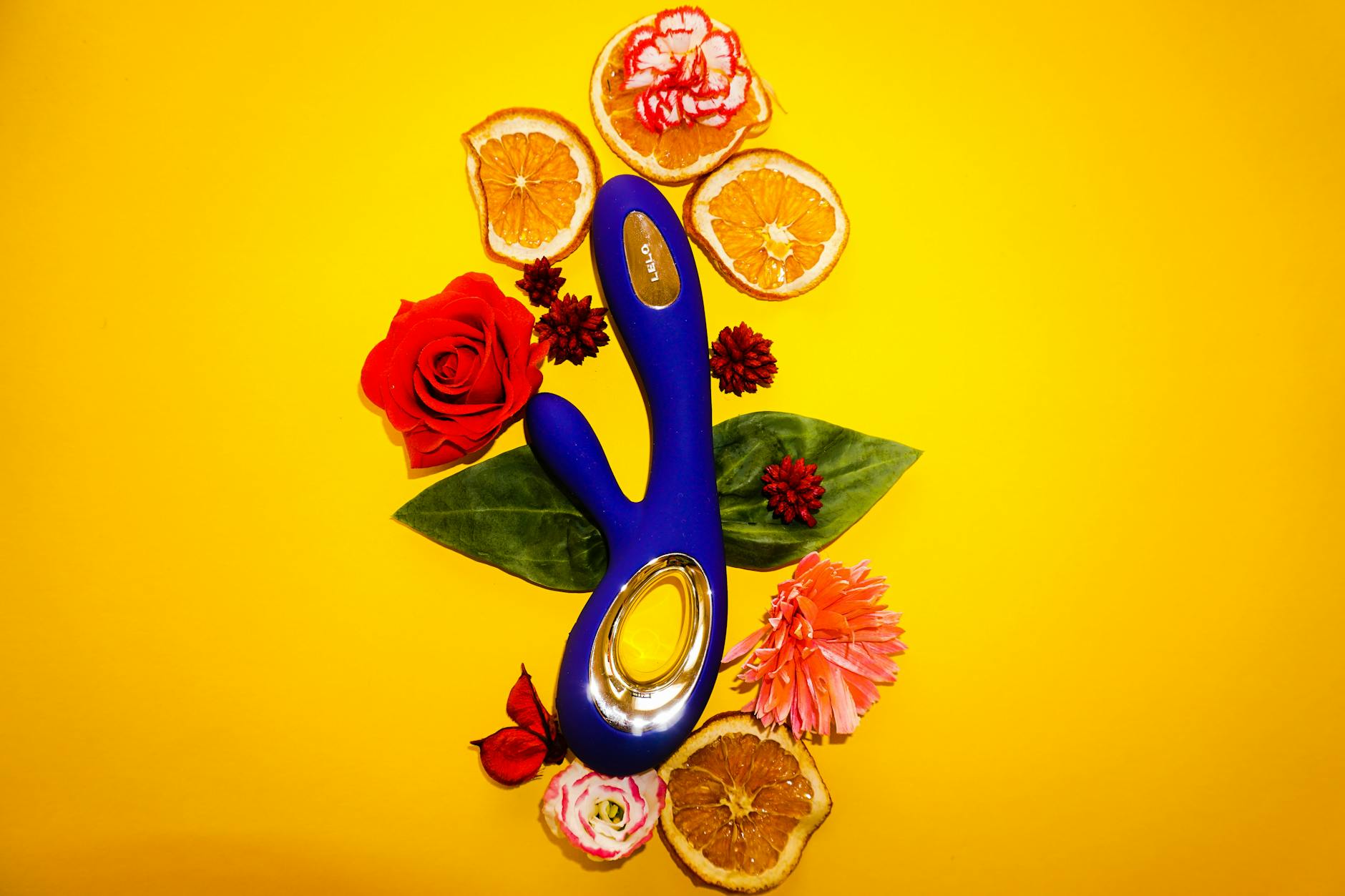
Then there's desensitization. If you've been using the same stimulation method for years, your body stops registering it as novel or exciting. The nerves aren't less sensitive. They're just bored. This is where air-suction technology like the Lemon Vibrator becomes genuinely useful. Suction stimulates your clitoris in a completely different way than traditional vibration, which often wakes up sensation that felt flat before.
The extended foreplay reset
Longer arousal calls for longer foreplay. I know. Not groundbreaking. But here's what people get wrong about it: they rush it. They extend the time but keep the same low-intensity stimulation, expecting something to spark. Instead, smart extended foreplay is strategic.
Start with non-genital touch for 10 to 15 minutes. That means skin, breathing, connection. Your nervous system needs permission to downshift out of alert mode. Once you're actually relaxed (which takes longer than you think), move to external stimulation at low intensity. This is where a lemon clitoral vibrator at setting 1 or 2 becomes your best tool. Start below the clitoris, on the external tissue. Slow strokes. Don't jump to direct contact right away.
After another 10 to 15 minutes at low intensity, you can start exploring different patterns and a tiny bit more pressure. But the frame here matters: you're not racing toward an orgasm. You're giving your body time to find its way to arousal. The pleasure is in the slowness, not despite it.
What the Lemon Vibrator does differently here
Air-suction stimulation (like the Lem) works really well for people with slower arousal because it creates sensation that builds gradually rather than peaks immediately. Traditional vibrators often feel intense from the start, which can be jarring if your body is still waking up. Suction has a gentler on-ramp. You can sit at pattern 1 or 2 for as long as you need. There's no pressure to "get there" faster.
The other advantage: suction engages different nerve endings. If your usual vibrator has stopped feeling like much of anything, the Lem often feels like a totally new experience. That novelty alone can restart arousal. Your clitoris doesn't need more stimulation. It needs different stimulation.
The mental part (which is actually more important)
Longer arousal also needs a mental reset. Most people grow up believing arousal should be instant and automatic. Porn reinforces this. Partners sometimes reinforce this. So when your body takes 30 or 40 minutes to warm up, you start thinking something's wrong instead of adjusting your expectations.
Here's what helps: separate arousal from orgasm in your mind. You're not trying to build toward climax. You're just trying to wake up sensation and pleasure. Sometimes that takes 20 minutes. Sometimes 45. That's the session. Not a warm-up to a "real" session. The whole thing is the real session.
If you're with a partner, this conversation matters too. Let them know what you need. "I'm enjoying this. My body is just slow to warm up, and I like extending time here." That's clear, directional, and doesn't put anyone on the defensive.
Solo sessions and the advantage they give you
When you're alone, you have full control of the pace. There's no performance pressure, no partner waiting for you to finish, no awkward timing mismatch. Solo sessions are the perfect place to experiment with extended arousal because you can take two hours if you want.
For slower arousal, I recommend scheduling time rather than hoping it happens spontaneously. Set aside 45 minutes to an hour with no agenda. Start with non-genital touch, move to external stimulation with a lemon vibrator at low settings, and genuinely explore what sensation feels good when you're not rushing. You might find that arousal doesn't take as long once you stop fighting the timeline.
Practical tools that actually work
Beyond the Lemon Vibrator itself, a few things make extended arousal sessions easier.
Water-based lubricant helps tremendously, even if you're naturally lubricated. It reduces friction that can feel uncomfortable during long sessions. Temperature matters too. Being cold hijacks your nervous system. Warm sheets, a warm room, or even warm hands on your body signal safety to your nervous system, which tells your body it's okay to relax into sensation.
Breathing is underrated. When arousal is slow, tension often sneaks in. Deep breathing (4 count in, 6 count out) tells your nervous system you're safe, which is the permission slip arousal needs. Combine that with low-intensity suction stimulation, and you've got a genuinely effective protocol for rebuilding arousal that doesn't require anything external to change.
When slow arousal signals something else
Sometimes extended arousal time is just how your body works now. Sometimes it's a sign that something emotional needs attention. If arousal has flattened completely and isn't returning even with extended foreplay and different tools, that's worth exploring with a therapist or a menopause specialist. Trauma, depression, relationship stress, and hormonal imbalance can all kill arousal in ways that require more than technique.
But if you can still access pleasure, even slowly, the tools and framework here genuinely work. When you're recovering from intimacy loss, slow arousal is often the bridge back. Give it space. Give yourself time. Work with your body's actual timeline.
The real advantage of slowing down
Here's what I see in practice: people who accept slower arousal often end up with better sex than they had before. Why. Because they stop performing and start actually feeling. They communicate more clearly with partners. They get curious about their own bodies instead of frustrated with them. And they discover that pleasure isn't a sprint. It's something that deepens the longer you stay with it.
Your slower arousal isn't a flaw. It's just information about what your body needs right now. Honor that, work with the right tools, and you'll likely find that the sex you're having is smarter, more intentional, and genuinely more satisfying than the rushed version ever was.