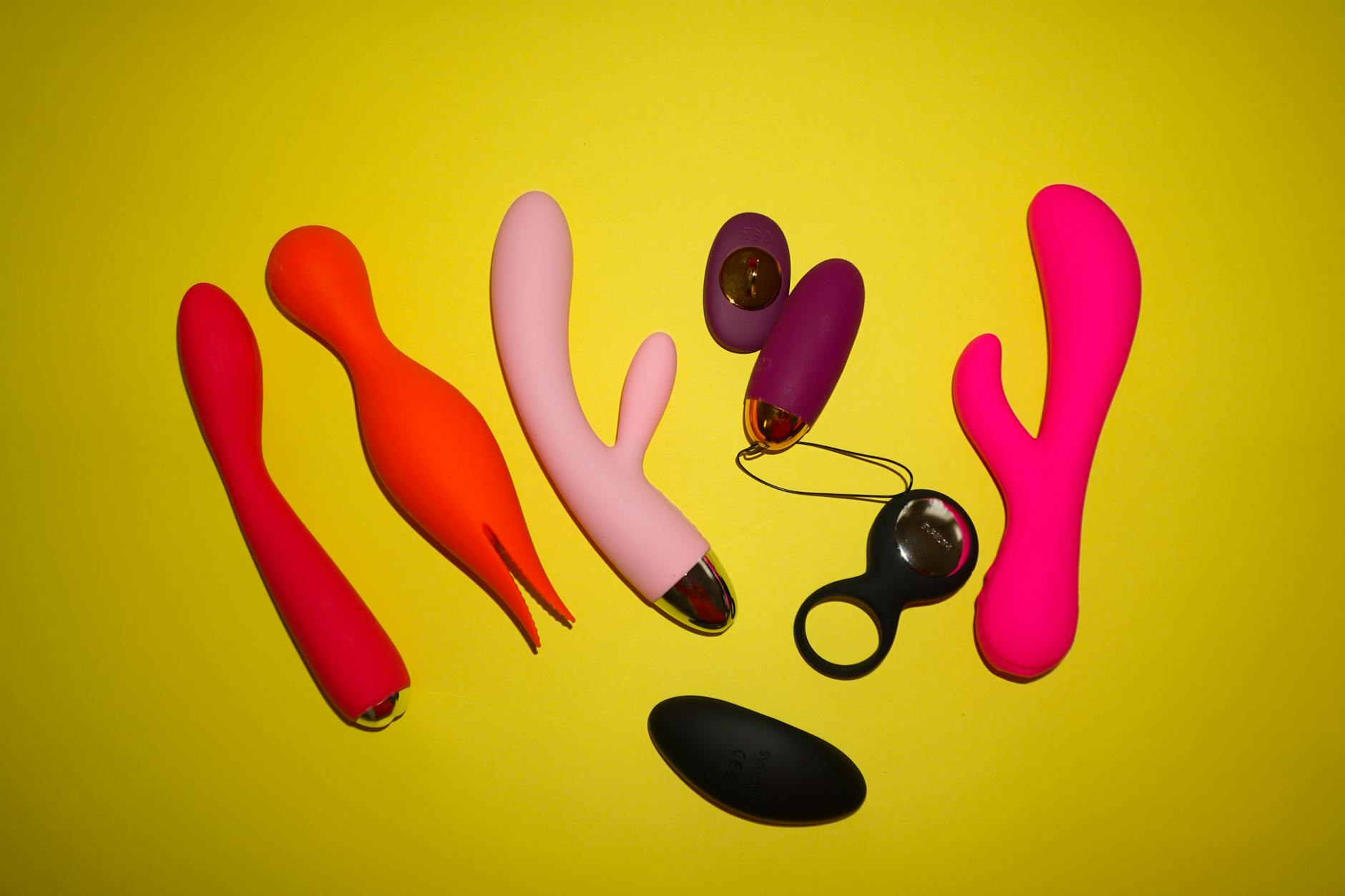
How to Use a Lemon Vibrator When Recovery From Surgery Affects Sensation
Let's be real. Surgery changes everything, including how your body feels pleasure. Whether it's gynecological, abdominal, or even something that seems unrelated, the trauma of surgery disrupts nerve pathways, tissue integrity, and sometimes the sheer confidence you had in your body before the procedure.
The good news? This isn't permanent. Sensation comes back. And when it does, tools like the Lemon clitoral vibrator can actually speed up that recovery in ways traditional vibrators can't.
Here's what actually happens in your body after surgery, when it's safe to start exploring sensation again, and how to use a Lemon vibrator strategically during the healing window.
What surgery actually does to your nerves and tissue
Surgery is controlled trauma. Your surgeon cuts through skin, fat, connective tissue, and sometimes muscle. Even minimally invasive procedures create inflammation, interrupt blood flow to the area, and activate your nervous system's pain response. Sensation doesn't disappear overnight. Instead, the surgical area becomes hypersensitive or completely numb depending on how deep the incision goes and whether nerves were directly affected.
Take a hysterectomy or fibroid removal. The surgical path runs close to pelvic nerves. During healing, these nerves send confused signals. Touch that felt pleasurable before might feel sharp, weird, or nothing at all. This isn't dysfunction. It's your nervous system recalibrating after disruption.
The same applies to C-section, laparoscopy, or even appendectomy. The abdomen houses a dense network of visceral nerves. Cutting through them, even slightly, resets the sensory map of that region. Pleasure takes time to return because the nerve pathways have to rebuild their connections.
The timeline matters more than you think
Most surgeons give one standard instruction: "No intercourse or penetration for 4-6 weeks." This is about wound closure and infection prevention, not pleasure recovery. Sensation recovery follows a different timeline.
Weeks 0-2: Complete rest. Your body is in acute healing mode. Pain is normal. Don't touch the surgical site intentionally. Your nervous system is overwhelmed.
Weeks 2-4: Gentle reconnection starts. Light, non-sexual touch on areas far from the surgical site can feel grounding. Think hand-holding, massage on your shoulders, anywhere that reminds you your body still has sensation beyond pain.
Weeks 4-6: Cleared for penetration by most surgeons. But sensation hasn't fully returned yet. This is when many people return to sex too soon because they've been given permission, not because they feel ready. Your body might be physically healed enough. Your nerves aren't.
Weeks 6-12: The real recalibration window. Sensation starts returning in waves. Some days better than others. This is when clitoral stimulation becomes valuable again, but you need to approach it differently than before surgery.
Why clitoral suction works better during post-surgical recovery
Traditional vibrators create rapid friction and pressure. They demand that your nerves respond quickly, which they can't during healing. Suction-based clitoral vibrators like the Lemon work differently. They create gentle, rhythmic pressure changes that stimulate nerve endings without requiring direct contact or intense friction.
During recovery, your clitoral tissue might be swollen, oversensitive, or numb. A Lemon's suction pattern allows you to build sensation gradually. Start on the lowest setting. The sensation feels more like a gentle pulse than a buzz. Your nerves can recognize this sensation without being shocked by intensity.
Second, suction doesn't require the clitoral area to be fully healed. You're not creating friction against healing tissue. You're stimulating from a distance. This matters if your surgery affected pelvic floor tension or if scar tissue is forming. The suction approach bypasses mechanical pressure.
Third, the sensation profile changes. Many people report that after surgery, they need gentler initial stimulation but often experience stronger, more localized pleasure once the body recognizes what's happening. A Lemon's graduated intensity range lets you stay in that sweet spot.
Your first session back: what to actually do
Don't jump straight to orgasm. That's not the goal here. The goal is re-establishing the nerve-to-brain conversation.
Start in week 6 at the earliest, and only if your surgeon has cleared you for any sexual activity. Pick a time when you're not anxious about the healing wound. If you're still thinking about infection risk or pain, your nervous system is still in protection mode. Wait another week.
Begin with the Lemon on setting 1, the gentlest pattern. Position it so there's light contact with your clitoris, not pressing hard. Many people find that starting slightly off to the side, letting the suction build gradually, feels less intense than direct contact.
Set a timer for 5 minutes. This isn't about reaching climax. It's about noticing what you feel. Pressure? Warmth? Tingling? Numbness? All of it is data. Your nervous system is relearning the map.
If anything feels sharp or painful, stop. Pain means your tissue isn't ready. Numbness is fine. Hypersensitivity is expected. Actual pain means wait another week.
Managing hypersensitivity and weird sensations
Post-surgical hypersensitivity is common. A light touch that should feel good feels almost painful. Your nervous system has been on high alert. It's sending danger signals to everything, even things that are actually safe.
To work through this, start even gentler than you think you need to. The Lemon on its lowest setting, positioned lightly, gives you maximum control. You can barely feel it touching your skin, but the suction still activates those deeper nerve clusters.
If hypersensitivity persists past week 10-12, talk to your surgeon or a pelvic floor physical therapist. Sometimes scar tissue or nerve damage needs professional intervention. But in most cases, consistent gentle stimulation actually helps your nervous system reset. It learns that touch in this area is safe and can feel good again.
Weird sensations are normal. Tingling, electric feelings, or a sensation of "something is happening but I'm not sure what" all mean your nerves are waking up. This usually passes within a few sessions.
Rebuilding confidence alongside sensation
Surgery is psychological trauma too. Even if your body heals on schedule, your mind might not feel safe. The fear of pain, infection, or "breaking" something can linger for months.
This is where solo exploration with a tool like the Lemon matters beyond the physical. You're literally reclaiming your body as a source of pleasure instead of just pain. That reframing is powerful. It tells your nervous system that your body is yours again.
Start solo. There's less pressure, less self-consciousness about healing scars or still-tender areas. You set the pace entirely. When you do return to partnered sex, you'll already know what feels good, and your partner won't have to guess.
When to see a specialist
If sensation hasn't started returning by week 12, reach out to your surgeon. If pain intensifies or numbness spreads beyond the surgical site, that's also a signal to check in. If you want to accelerate recovery, a pelvic floor physical therapist is worth the investment. They can assess nerve healing, address scar tissue, and sometimes use techniques that speed up sensory recovery.
Hormonal changes after certain surgeries (especially hysterectomy) can also affect lubrication and sensation. That's separate from nerve healing but important to know.
The longer view
Surgery is a reset button. Many people find that by the time sensation fully returns, somewhere around month 4-5, they actually have a better relationship with their body and pleasure than before. You've had to slow down. You've had to tune in carefully. That attention carries forward.
Your Lemon clitoral vibrator becomes part of that toolkit. It's gentler, more controllable, and because it doesn't require the same kind of active participation from your healing body, it lets you explore at your own pace.
Trust the timeline. Trust your body. And know that what feels disrupted now is actually just recalibrating.
FAQ: Pleasure and healing after surgery
Can I use any vibrator during post-surgical recovery?
Technically, yes. But powerful bullet vibrators or wand vibrators can be overstimulating while your nerves are still recalibrating. A clitoral vibrator like the Lemon is designed to be more gentle and controllable. You can start on the lowest setting and build from there. Suction-based toys are particularly good because they don't require direct mechanical friction on healing tissue.
How long after surgery should I wait before trying pleasure again?
Most surgeons clear you for intercourse at 4-6 weeks. But sensation recovery takes longer. By week 6, you can start very gently exploring clitoral stimulation. By week 8-10, most people feel ready for more involved sensation work. Listen to your body, not the calendar.
What if I feel numbness when I try to use a Lemon after surgery?
Numbed sensation is normal during healing. Your nerves are recovering. Gentle, consistent stimulation actually helps them wake back up. If numbness persists past 12 weeks or spreads unexpectedly, check in with your surgeon or a pelvic floor specialist. Temporary numbness is healing. Permanent numbness needs professional assessment.
Will scarring affect how I feel pleasure?
Scar tissue can tighten over time and sometimes affect pelvic floor tension, but it doesn't directly block nerve sensation. If scar tissue is restricting your comfort, a pelvic floor therapist can help. In most cases, as long as you're gradually rebuilding sensation, pleasure returns fully despite scarring.
Can I have an orgasm during post-surgical recovery?
Yes, but it might not look like it did before. Your body might build arousal more slowly. Orgasms might feel less intense at first. All of this is temporary. By month 4-5, most people report that sensation and orgasm quality fully return. Some actually report better orgasms because of the slower rebuild.
What if my partner wants to resume sex but I don't feel ready?
This is one of the biggest issues couples face after surgery. You're cleared medically but not emotionally or sensorily. Your partner might see the 6-week mark as permission to resume normal sexual activity. You're still healing. Communicate clearly. Suggest starting with non-penetrative touch. Use a tool like the Lemon solo first, so you know what feels good before bringing your partner in. Rebuilding takes time. A supportive partner will understand that.
Are there positions or approaches that help during post-surgical recovery?
Stay away from positions that put pressure on your surgical site. If you had abdominal surgery, avoid anything that strains that area. Start with external stimulation only. Internal penetration comes later, once external sensation has fully returned. A Lemon clitoral vibrator keeps the focus external, which is safer during this window.
Moving forward
Surgery interrupts pleasure, but it doesn't end it. Your body is resilient. Your nervous system is designed to heal. By approaching sensation recovery slowly, using tools designed for gentleness over intensity, and being honest with yourself about your timeline, you'll get back to pleasure. Often a better version of it than you had before.
If you're struggling with the psychological side of post-surgical recovery or feel stuck in your healing journey, reaching out to a therapist who specializes in body image or recovery can help. The physical and emotional sides of pleasure are linked. Addressing both matters.
Your Lemon is there when you're ready.