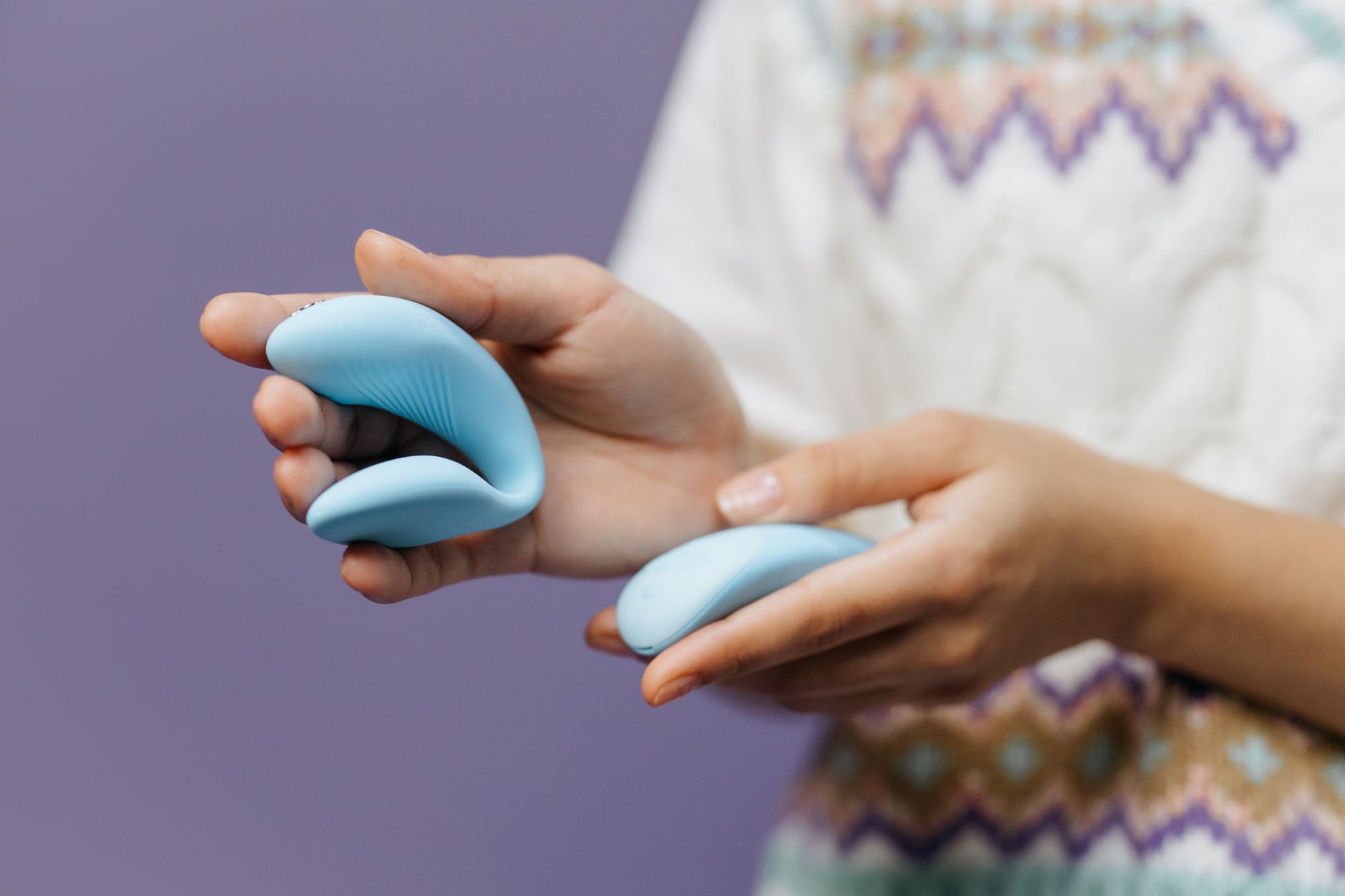
Let's start here: pain during sex is real, and it's not your fault
Painful intercourse, or dyspareunia, affects roughly one in four women at some point in their lives. That's not rare. That's common. And yet so many people suffer in silence, assuming they're broken or that their pleasure is off the table.
It isn't. There's a workaround, and it starts with understanding that penetration is not the only valid form of sex.
Why pain happens (and why a lemon vibrator changes the equation)
Pain during sex can come from dozens of sources. Endometriosis, pelvic floor tension, vulvodynia, insufficient arousal, scarring, infection, hormonal shifts, or sometimes just stress and anxiety. The physical cause matters for treatment, but here's what matters immediately: you can experience intense pleasure without triggering pain.
That's where a lemon clitoral vibrator comes in. Unlike penetrative sex, which can aggravate tender tissues or trigger muscle guarding, clitoral stimulation through suction technology lets you experience full-body orgasms while completely bypassing the structures causing you pain. You're not working around your body. You're working with it.
The pain cycle and how pleasure breaks it
Pain during sex creates a feedback loop. You expect pain. Your pelvic floor tightens in anticipation. That tension makes pain more likely, which reinforces the expectation. Over time, your entire nervous system rewires itself around the fear of sex.
Breaking that cycle requires two things happening at once: physical pleasure without pain, and evidence to your nervous system that sex doesn't always hurt. A lemon vibrator delivers both. When you experience orgasm through clitoral stimulation without pain, your brain literally rewires what sex means. That's not spiritual talk. That's neuroscience.
Starting slow: the right first session
If you've been experiencing pain, jumping straight to a session with a lemon clitoral vibrator might feel intimidating. Here's how to make it work.
First, set time aside when you're not rushed. Pain and pleasure don't mix well with a clock running. Twenty minutes minimum, no deadlines.
Second, start with the lowest setting. The lemon vibrator has multiple intensity levels for a reason. Pattern 1 or 2 is where you begin. You're not testing your pain threshold. You're testing what feels good. Let your body surprise you.
Third, use lubrication. Even if you don't think you need it, use it anyway. A water-based lubricant reduces friction and gives you a signal that this is different from intercourse. It's a sensory cue that says: this is about you.
Fourth, don't push toward orgasm. This first session is about sensation, not outcome. Spend 10-15 minutes just noticing what different patterns feel like at different intensities. You might orgasm. You might not. Both are fine.
Working with your partner if you have one
If you're in a partnership, this is where communication gets real. Many couples respond to painful sex by avoiding sex entirely. That doesn't solve the problem. It deepens it.
Tell your partner that you want to rebuild your sexual connection, but differently. Explain that penetration is off the table temporarily, but pleasure isn't. A lemon clitoral vibrator gives you both a concrete way to stay intimate without triggering pain.
Your partner can be in the room with you. They can watch. They can use the vibrator on you if you want that level of intimacy. Or they can give you space and privacy while you explore. What matters is that they understand this isn't a rejection of them. It's a reclamation of yourself.
Many couples tell me that using a lemon vibrator together actually strengthens their connection because they're working toward something instead of avoiding something.
Pain patterns to know
Not all pain during sex is the same, and your lemon vibrator strategy might shift based on what you're experiencing.
If pain happens only with penetration but you can be touched clitorally without discomfort, a lemon vibrator is your direct path to pleasure. You're sidestepping the painful structure entirely.
If you have widespread pelvic pain that flares with any stimulation, take longer to warm up. Spend 5-10 minutes on the lowest settings before building intensity. Your nervous system needs evidence that touch is safe.
If pain is psychological (rooted in anxiety or trauma rather than physical pathology), a lemon vibrator still works, but you might benefit from pairing it with grounding techniques. Focus on sensation. Notice the warmth, the pattern, the rhythm. That sensory awareness pulls you out of your head and into your body.
When to see a doctor
This matters: if you have pain during sex and haven't been evaluated by a gynecologist or pelvic floor physical therapist, do that first. Some causes of painful intercourse are easily treatable (infection, hormonal insufficiency, vulvodynia). Others benefit from specific therapy. A lemon vibrator is a tool for pleasure, not a substitute for diagnosis.
That said, even if you're working with a specialist, a vibrator is often part of the recovery process. Pelvic floor physical therapists frequently recommend clitoral stimulation as part of desensitization and nervous system retraining.
Building back to penetration if you want to
For some people, using a lemon vibrator solo or with a partner is the end goal. That's completely valid. For others, the goal is to eventually return to penetration without pain.
If that's you, here's the pathway: spend weeks or months building confidence through clitoral pleasure. Let your body associate sex with orgasm and safety, not pain. Once that neural pathway is strong, introduce very gentle penetration during a highly aroused state. The increased blood flow and relaxation that comes with arousal makes pain much less likely.
Many people use a lemon vibrator to reach high arousal, then very gently try penetration with a finger or small toy. The vibrator stays active throughout. This keeps your nervous system in pleasure mode instead of pain-alert mode.
Progress is individual. Some people move through this in weeks. Others take months. Neither is wrong.
The mind-body piece everyone skips
Here's something that doesn't get enough air time: pain during sex is often partly about what you believe sex means. If you've internalized that sex is something that happens to you rather than something you do, or if you've been taught that pleasure is selfish or unsafe, your body holds that belief literally in your muscles.
Using a lemon vibrator is one part of the solution. The other part is shifting your mindset around pleasure. Your pleasure matters. Your body deserves to feel good. Sex is not something you owe anyone, including yourself.
When you use a clitoral vibrator, you're making a statement to your own nervous system: I deserve this. I'm allowed to feel good. That sounds simple, but neurologically, it's powerful.
FAQ: Common questions about pain and pleasure
Can I use a lemon vibrator if penetration still hurts?
Completely yes. That's actually the whole point. A lemon clitoral vibrator gives you full sexual pleasure without any penetration. You skip the painful part and go straight to the good part.
Will using a vibrator make me go back to intercourse if I don't want to?
Absolutely not. Some people use clitoral vibrators exclusively their entire lives. If penetration never feels good, you don't need it. Clitoral pleasure is complete on its own.
How do I explain to my partner why we need to use a vibrator?
Try this: "My body responds to this differently. It feels good. I want to share that with you." That's it. You don't owe anyone a detailed explanation of your pain or your anatomy. If your partner can't support that, that's information about your relationship.
Is there a chance the pain will go away completely?
It depends on the cause. Some types of pain (tension-based, anxiety-based) often improve or resolve with time and pleasure-focused exploration. Other types (endometriosis, vulvodynia) are chronic but manageable. Either way, a lemon vibrator helps you have a sexual life while addressing the underlying cause.
Can I use a lemon vibrator while I'm in pain?
No. If you're in pain right now, rest first. Use a vibrator when you're pain-free or nearly pain-free, so your nervous system learns that stimulation is safe. Introducing stimulation during a pain flare can reinforce the pain-sex association.
What if a lemon vibrator doesn't feel good?
Try different patterns and intensities. Try different times of day. Try different mental states. Or try a different toy altogether. Not every toy works for every person. The goal is to find what does work for you, not to force something that doesn't.
Moving forward
Painful sex is isolating because it sits at the intersection of medicine, psychology, and intimacy. But here's what I know from working with couples through this: it's also one of the most resolvable sexual issues. You have options. You have tools. A lemon clitoral vibrator is one of them.
Start small. Be patient with yourself. Your pleasure is worth the time it takes to rebuild. And if you have questions along the way, reach out to us at Lemon Vibrator. We're here to help.