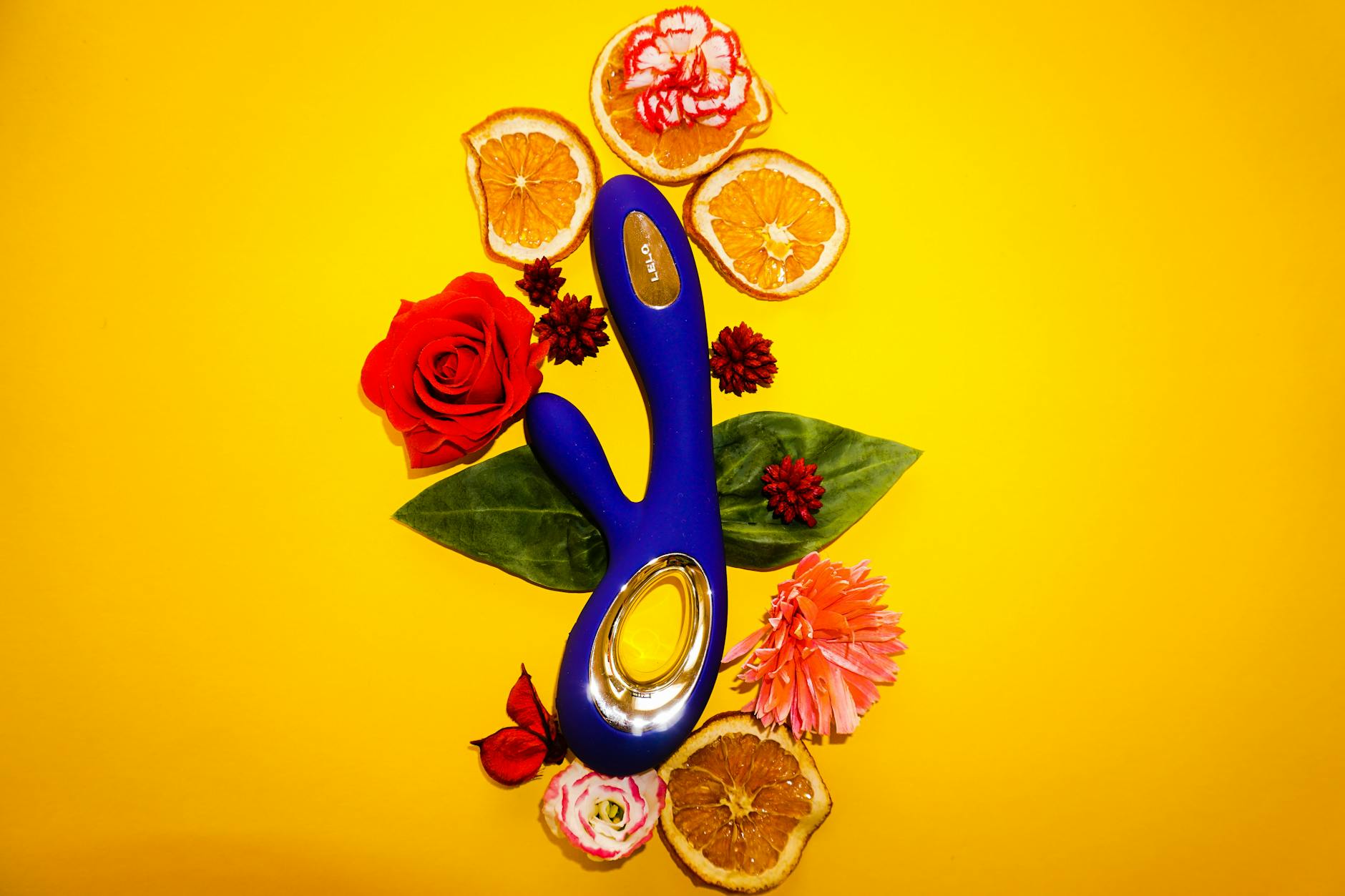
Sensitivity isn't a barrier. It's information.
Let's be real. If your clitoris feels tender, reactive, or "too much" during touch, the instinct is often to avoid stimulation altogether. That's understandable. It's also exactly backward.
Sensitivity usually means the nerve endings are working. They're just firing too intensely for the stimulation style you've been trying. This is actually where a lemon vibrator, and specifically clitoral suction toys like the Lem, becomes genuinely useful. Suction distributes pressure differently than direct vibration or friction. For sensitive areas, that difference can be the gap between pain and profound pleasure.
Why sensitivity happens (and why it's fixable)
Three main culprits cause heightened clitoral sensitivity:
Inflammation or irritation. This might come from friction during sex, aggressive toy use, tight clothing, or even aggressive washing. The tissue swells slightly, and any touch feels sharp instead of pleasurable.
Nerve overload from overstimulation. If you've been using a vibrator at high intensity frequently, the nerves can become oversensitive. They're like a muscle that's been worked hard without recovery time. They need rest and gentler reintroduction.
Hormonal or medical factors. Certain medications, hormonal birth control changes, dermatological conditions, or even undiagnosed infections can make the area hypersensitive. If the sensitivity appeared suddenly or is accompanied by pain, itching, or discharge, check with a gynecologist before trying anything new.
Assuming it's not a medical issue, sensitivity to vibration is almost always reversible. You're not broken. You've just been using a tool calibrated for someone else's nervous system.
The suction advantage for tender tissue
Traditional vibrators work through rapid back-and-forth or rotating motion against tissue. For a sensitive clitoris, that's like running a rough cloth over sunburned skin. It's technically stimulation, but it's also irritation.
Clitoral suction toys like lemon vibrators work completely differently. Instead of pressing and vibrating, they create a gentle vacuum. This pulls tissue upward and stimulates the nerve endings through pressure and movement, but without direct friction. It's like the difference between scratching an itch and massaging it.
For sensitive areas, this matters enormously. The sensation feels broader, less pointed, and far easier to control. Most people find they can use suction toys longer without the burning or numbness that comes with traditional vibration.
Building tolerance: the four-phase approach
Don't jump straight to using a lemon vibrator at intensity level 3. Start lower, go slower, and give your nerve endings permission to remember what pleasure feels like.
Phase 1: External exploration (days 1-3). Use the Lem or another clitoral suction toy on the lowest setting, but don't insert the suction cup yet. Run it over the outer labia and the surrounding area. Get curious about how the vibration feels on less sensitive skin first. This acclimates your body to the sensation without overwhelming the clitoris.
Phase 2: Gentle contact (days 4-7). Now position the suction cup lightly over the clitoris, but don't activate suction. Just let it rest there with vibration only at level 1. The goal isn't orgasm. It's just sensation without intensity. Spend 5-10 minutes here. Notice what feels okay versus what makes you tense.
Phase 3: Light suction introduction (week 2). Activate the suction at its gentlest setting for 30-60 seconds, then release. Repeat three or four times. The clitoris will start to respond. You might feel a slight ache or heaviness as blood flows to the area. That's normal and actually helpful. It's inflammation resolving, not new irritation.
Phase 4: Progressive sessions (week 3 onward). Gradually increase time under suction and, if it feels good, move up to intensity level 2. Stay here for several sessions before considering level 3. Most people with sensitive areas find their sweet spot somewhere between levels 1 and 2.
Practical setup for sensitive play
Environment matters more than you think. Tension in your body tightens the pelvic floor, which makes everything feel sharper.
Timing. Avoid playing with toys right after intense exercise, caffeine, or stressful conversations. Your nervous system is activated. Play when you're genuinely relaxed, not when you're trying to relax into arousal. There's a difference.
Lubrication. Even though suction doesn't require lube the way friction does, a little water-based lubricant around the labia makes everything feel smoother. It's also a signal to your body that this is pleasure time, not medical exam time.
Positioning. Lie on your back with a pillow under your hips, or sit propped up against headboard or wall. Tension in your legs or lower back radiates everywhere. Get comfortable enough that you forget about your body and just feel.
Breath. Most people hold their breath when they're worried about pain. This actually amplifies sensation and makes everything feel more intense. Breathe steadily. Count in for four, out for six. This activates your parasympathetic nervous system and tells your body it's safe.
What to do if it still feels too intense
You've done phase 1 and 2 properly, but even on the lowest setting, the lemon vibrator feels overwhelming. Here's what that usually means and how to adjust.
You might have vaginismus or pelvic floor dysfunction. This is involuntary muscle tension that makes touch feel sharp or painful. It's not your fault. It's your pelvic floor muscles protecting you because they think there's a threat. A pelvic floor physical therapist can help you retrain these muscles. In the meantime, focus on relaxation work instead of toy use. Deep breathing, progressive muscle relaxation, and gentle stretching will help more than forcing stimulation.
The sensitivity might be hormonal. If this flares up cyclically, track it against your cycle. Some people find their clitoris feels tender in the days leading up to their period. If that's you, practice clitoral suction toys during the more tolerant phases of your cycle, and skip them during peak sensitivity weeks.
You might need a different type of stimulation entirely. Suction isn't everyone's answer. If after two weeks of the four-phase approach you're still not comfortable, a clitoral vibrator with a wider head that distributes pressure over a larger area might work better. Or external vibration against the mons pubis instead of direct clitoral contact. Sensitivity is a signal. Listen to it.
Combining sensation with emotional comfort
Here's something most toy guides skip. If you're sensitive physically, you're often sensitive emotionally too. The performance pressure of "I should be enjoying this toy" can actually make sensitivity worse.
Try this instead. Approach your first few sessions with a lemon vibrator the same way you'd approach a long bath. The goal isn't an outcome. The goal is sensation and presence. Notice what feels good, what feels annoying, what feels neutral. There's no pass or fail. Your clitoris gets to have preferences, and those preferences matter.
If you're using a toy with a partner, communicate before, during, and after. "I want to explore this at my own pace" is permission you both need to hear. A partner who wants foreplay to last longer will actually appreciate this. It gives you both more time together, more chances to check in, and more genuine pleasure overall.
When to stop and seek help
Sensitivity that improves over two weeks with gentle, gradual introduction is normal and fixable. Sensitivity that gets worse, spreads, or is accompanied by pain, bleeding, or unusual discharge isn't. Stop using the toy and see a gynecologist.
Also stop if you notice you're tensing your whole body or holding your breath every time you try. That's your nervous system telling you it doesn't feel safe. That's not something to push through. That's something to address with a therapist or pelvic floor specialist before trying toys again.
You get to choose your own pace
Sensitive areas aren't a limitation on pleasure. They're just information your body is giving you about what it needs. A gentle approach to clitoral suction with a lemon vibrator can actually teach your nervous system that touch can feel good again. Not despite the sensitivity. Because you finally took it seriously.
People also ask
Can I use a lemon vibrator if my clitoris is extremely tender?
Yes, but only at the lowest intensity setting and only after you've spent a few days doing phase 1 and 2 of the four-phase approach. If after two weeks of gradual introduction it still feels painful rather than just intense, switch to external stimulation against the mons pubis instead of direct clitoral suction. Tenderness sometimes means you need a wider, gentler surface area.
How long does it take for clitoral sensitivity to improve with regular gentle use?
Most people notice improvement within two to three weeks if they're consistent with the four-phase approach. Some people see results faster. Others take six weeks. Factors that slow progress include high stress, irregular sleep, ongoing inflammation, or using the toy at too high an intensity too quickly. Patience actually works here.
Will using a lemon vibrator on a sensitive clitoris make it more sensitive or less sensitive over time?
When you use it correctly, starting low and progressing gradually, it typically desensitizes the area in a healthy way. The nerve endings learn to distinguish between pleasure and pain. Overuse at high intensity does the opposite. It increases sensitivity and can create numbness. The key is respecting the four-phase timeline.
Is it normal for my clitoris to feel sore after using a lemon vibrator for the first time?
Slight achiness or fullness afterward is normal, especially if you're new to suction stimulation. It's similar to how your legs feel after a new type of exercise. It should fade within a few hours. Sharp pain, burning, or pain that lasts more than a few hours suggests you used too much intensity. Use phase 1 and 2 for a full week before progressing.
Can hormonal birth control make my clitoris more sensitive to toys?
Yes. Some people notice increased sensitivity when they start hormonal birth control, switch types, or go off it entirely. If this happened around a change in your contraception, give yourself a few weeks to adjust. If sensitivity doesn't improve, talk to your prescriber about whether a different formulation might feel better. In the meantime, try a lemon vibrator when pleasure builds slower with age, which covers managing pleasure expectations during hormonal transitions.
Should I use water-based lube with a lemon clitoral vibrator if I'm sensitive?
A small amount of water-based lube around the labia and mons can help sensitive play feel smoother and less clinical. Don't use it inside the suction cup itself. You want a secure seal. But yes, lube on the external area makes the experience more comfortable for most sensitive folks.
What's the difference between sensitivity and an allergy or infection?
Sensitivity feels sharp, intense, or overactive when touched. Allergic reactions or infections usually involve itching, burning, discharge, or swelling that persists even without toy use. If you develop new symptoms after introducing a toy, wash the toy thoroughly and wait a few days. If symptoms persist, see a gynecologist before using the toy again. Most sensitivity to toys is about technique and intensity, not allergy.