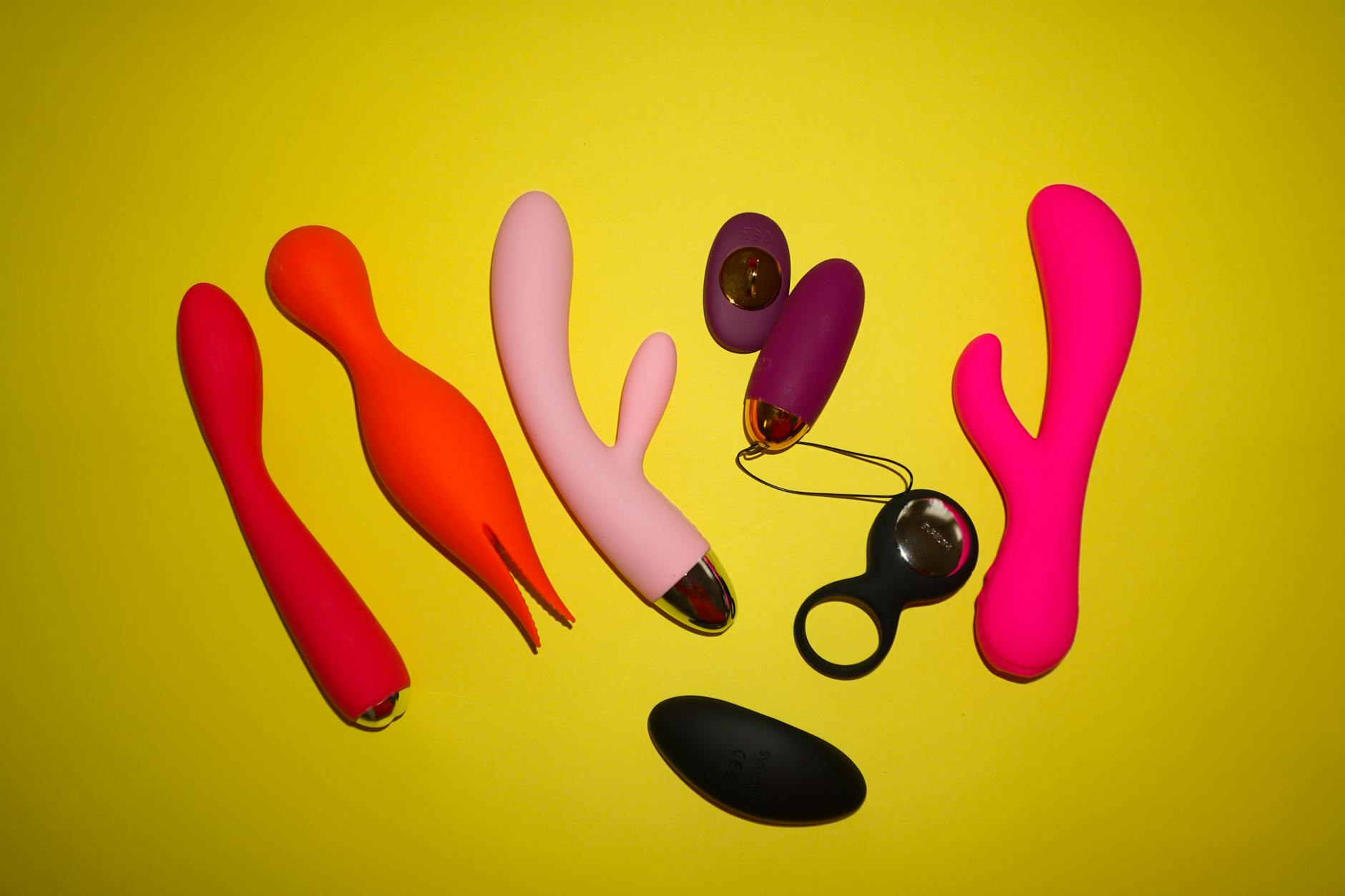
When desire wakes up again
Let's be real: getting your libido back after depression feels nothing like what you expected. You imagined excitement. What you got instead is confusion. Your body is a stranger now. The things that used to work don't land the same way. Your brain is checking all the boxes—yes, you want sex, yes, you're attracted—but something between desire and physical response feels... off.
This is normal. It's also not something most people talk about, which is why so many assume they're broken.
They're not. And neither are you.
What depression actually does to arousal
Depression flattens more than your mood. It dampens the neurochemistry of pleasure. Dopamine drops. Serotonin becomes harder to access. Blood flow to sensitive areas decreases. If you've been on antidepressants, certain medications (especially SSRIs) can suppress orgasm or make arousal slower to build, even as your mood stabilizes.
Here's the useful part: when depression lifts, those systems can rewaken. Sometimes they do so unevenly. Your brain's desire centers might ping before your body's arousal response catches up. Or the reverse. One client described it as "wanting sex in my head but my clit didn't get the memo."
That lag is temporary. It's also exactly why a lemon vibrator, with its unique suction-based stimulation, works so well during recovery.
Why suction, not traditional vibration
When you've been numb for months, the last thing your body needs is intense, constant vibration. It can feel overwhelming. It can also just... not work. You press down, turn it up to maximum, and feel nothing but buzzing against skin that's forgotten how to respond.
A lemon clitoral vibrator uses air-pulse suction instead of vibration. It's a gentler awakening. The sensation builds. It's responsive to small movements and pressure changes, which means your body's reemergence into pleasure becomes a conversation between you and the device, not a fight against it.
Most importantly: suction doesn't numb the way high-intensity vibration can. If you're rebuilding sensitivity, this matters.
Starting slow when everything feels new
Your first session back, you're probably going to feel impatient. You've been away from pleasure for so long. The urge will be to jump straight to intensity 5, chase the orgasm, get back to "normal."
Don't.
Instead: set aside 20 minutes with zero outcome expectations. Not "I need to come." Just exploration. Start your lemon vibrator on pattern 1 or 2. The lowest setting. Press it gently against your clit and notice what you notice. Does it feel good? Weird? Numb? All of those are data. There's no wrong answer.
Move slowly through the patterns over several sessions. Your body will tell you when it's ready to turn up. Most people find they need 3-5 sessions of low-level stimulation before the neural pathways fully reawaken and sensation starts to sharpen.
The "goal" conversation you need to have with yourself
Depression taught you that pleasure doesn't matter. Recovery requires you to unlearn that, and that's harder than it sounds. Many people slide back into goal-oriented sex: "I should be able to orgasm." "This should feel like it used to." "Why isn't this working yet."
Those are all pressure. Pressure kills the exact thing you're trying to rebuild.
If you have a partner, this is worth naming out loud: "I'm healing. Pleasure is part of that healing. Some days that means an orgasm. Some days it means noticing that my body responded at all. Both matter equally."
If you're solo, you already have that permission. Use it.
Lubrication, timing, and the bigger picture
After depression lifts, sometimes arousal and lubrication don't sync perfectly. Your brain says yes but your body lags. This is temporary. It helps enormously to use a water-based lubricant right from the start, not because you're broken but because it removes friction (both physical and psychological) and lets you focus on sensation rather than worry.
Timing matters too. Not your cycle, necessarily. Your nervous system. Depression lives in a hypervigilant, exhausted state. When you're climbing out of that, your body can still be half-stuck in high alert. Pleasure lands better when you're calm. Twenty minutes of breathing, a warm shower, dimmed lights. Create the conditions for ease before you touch yourself.
Take your lemon vibrator slowly. Let your body reset at its own pace.
Antidepressants and sensation
If you're still on medication, orgasm or intensity might remain slightly muted even as depression lifts. Some antidepressants do this. It's not permanent damage; it's a chemical lag. Worth discussing with your prescriber if it bothers you (sometimes a timing shift or a complementary medication helps), but also worth accepting: a slightly gentler orgasm is still an orgasm, still pleasure, still your body telling you it's alive again.
If you've recently reduced or stopped medication, give yourself grace. Neurochemistry takes weeks to rebalance. Impatience will only create frustration.
When sensation is still faint
Some people emerge from depression and find their sensitivity takes longer to fully return. A lemon suction vibrator helps here because the sensation is different from what's familiar. It's not vibration competing with numbness; it's a novel stimulus that can sometimes cut through residual flatness.
If you're still struggling after 3-4 weeks of regular exploration, consider whether stress, sleep, or medication timing is interfering. Depression recovery is fragile. A difficult week of work, poor sleep, or relationship tension can temporarily flatten sensation again. This doesn't mean you've failed. It means your nervous system is telling you it needs something else this week.
Listen to that.
Reconnecting with your partner
If you're partnered, your return to desire is their return to intimacy too. They may have grieved that loss. Now they watch you come alive again, and that can awaken their own desire, which is wonderful and also a lot to hold.
Talk about what you need. "I'm rebuilding pleasure. That means slow, patient exploration. I need zero pressure to perform or come." Most partners find that relief, actually. Permission to go slow, to experiment together with a lemon vibrator, to take pleasure seriously without making it a test.
If your partner is frustrated because intimacy returns but it's different now, that's a separate conversation worth having with a therapist. Depression changes relationships. Recovery requires renegotiation. A lemon clitoral vibrator is one tool. Honest conversation is another.
The pleasure return is real
One last thing: what you're experiencing as you climb out of depression is not a glitch in the system. It's proof the system works. Your body wants to feel again. Your nervous system is waking up. Some days that waking will feel electric. Some days it will feel faint. Both are normal.
Your job is simply to show up, curious. Let a lemon vibrator—with its gentle, responsive suction—be an invitation to sensation rather than a demand for it. Your pleasure matters. It always did, even when depression told you otherwise.
Take your time. Your body knows how to come home to itself. You're just helping it remember.