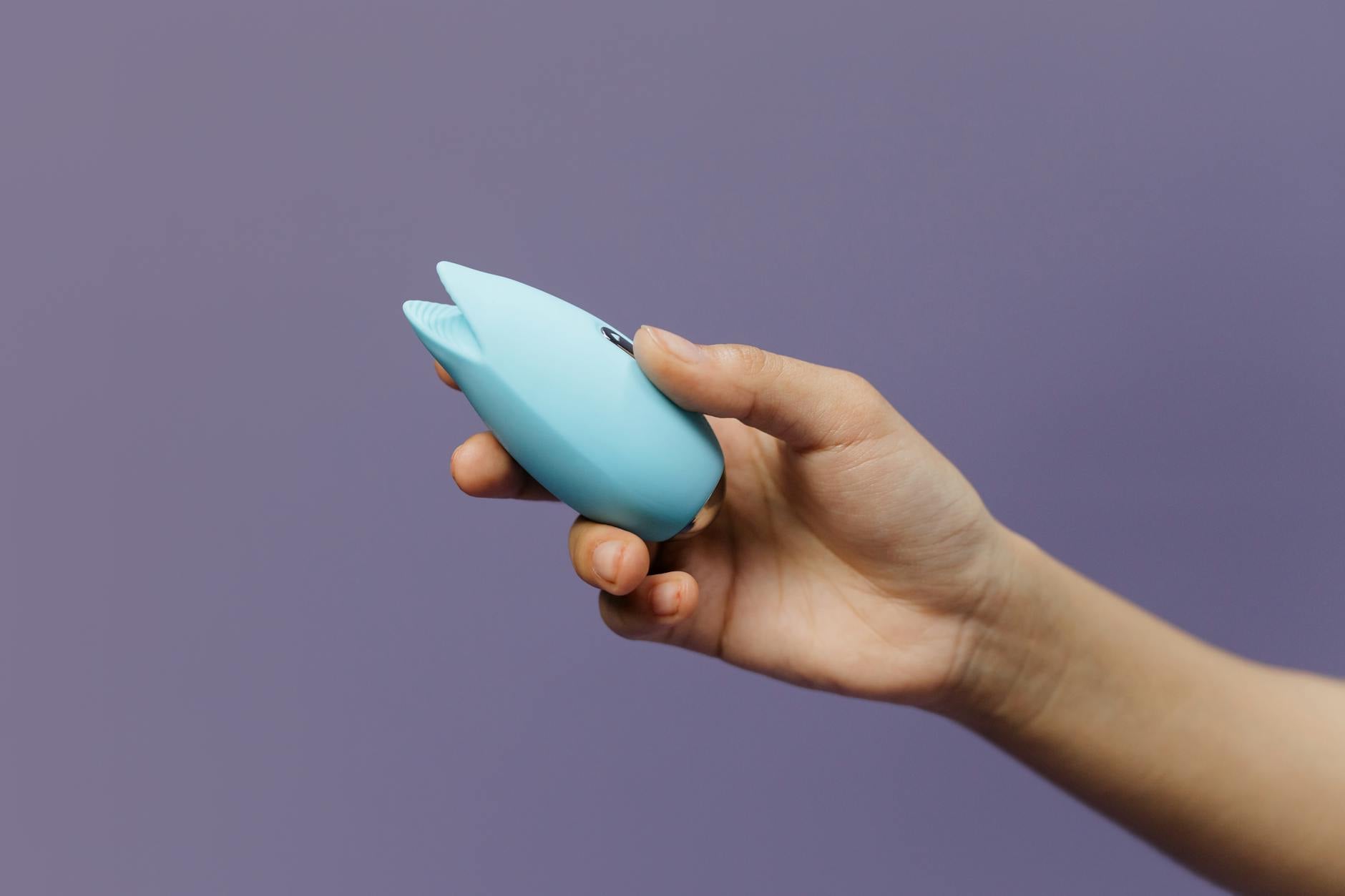
Let's talk about sensitive skin and sex toys
Here's the thing: having sensitive skin doesn't mean you can't enjoy a lemon vibrator. It means you need to be intentional about what touches your body and how you care for it. Most people with sensitive skin or allergies skip vibrators entirely because they assume anything that goes near their vulva will cause a reaction. That's not true, and honestly, it's a shame because lemon sexual toys are some of the most skin-friendly options available.
The tricky part isn't the toy itself—it's everything around it. The lube, the storage, the way you clean it, even what you wear before using it. Get those details right, and you can have all the pleasure without the irritation.
Why lemon vibrators are actually a solid choice for sensitive skin
Let's start with the material. Lemon vibrators, including the popular lem vibrator models, are typically made from medical-grade silicone. Medical-grade silicone is non-porous, which means bacteria and allergens can't get trapped inside it. It doesn't off-gas chemicals the way cheaper plastics do. It doesn't absorb oils from your skin or residue from lubricants.
Compare that to some wand vibrators made from TPE (thermoplastic elastomer) or jelly rubber. Those materials are porous. They hold onto lube, skin cells, and bacteria. They can leach chemicals over time. For someone with sensitive skin, TPE is often the culprit behind irritation—not the vibration itself.
The other thing in your favor: lemon clitoral vibrators use suction and pulsing, not direct grinding friction. Friction irritates sensitive tissue. Suction is gentler because it creates stimulation through air pressure rather than repeated rubbing. Your skin stays calmer, and you're less likely to develop the kind of microabrasion that leads to redness or rawness.
That said, body-safe materials alone aren't enough. You still need to do the groundwork.
Material allergies and what to actually test
Silicone allergies are rare, but they exist. If you've never used a silicone toy before, patch test first. Here's how: put a small, clean piece of the toy against your inner arm or behind your ear for 24 hours. If no rash or itching appears, you're likely fine with the material itself.
More common than silicone allergy is sensitivity to the texture or finish of silicone. Some toys have a matte finish that feels drier. Others are super smooth and shiny. Some people's skin reacts to matte finishes because they feel slightly sticky, which creates friction. If that's you, look for toys with a glossier finish.
Another source of confusion: you might be allergic not to the toy but to something on the toy. Dust, storage odors, manufacturing residue. That's why washing a new toy thoroughly before first use matters. Use warm water and a tiny bit of fragrance-free soap, or a toy cleaner designed for sensitive areas. Rinse completely.
The lube situation is where most people go wrong
You could have the perfect lemon sucker toy and ruin the experience with the wrong lubricant. This is the single most common cause of irritation I see.
Water-based lubes are the safest bet for sensitive skin. They're non-irritating and compatible with silicone toys. But not all water-based lubes are created equal. Avoid anything with glycerin if you're prone to yeast infections. Skip lubes with propylene glycol if your skin reacts to it. Some people find even standard water-based lubes irritating because of preservatives.
If you have very sensitive skin, look for lubes labeled "hypoallergenic" or designed for sensitive skin. These are formulated without common irritants. Apply it generously—more lube means less friction, and friction is your enemy.
Silicone-based lubricants last longer and feel richer, but here's the catch: they can damage silicone toys over time. Silicone lube slightly degrades the surface of silicone toys, making them sticky and prone to trapping bacteria. If you use silicone lube, inspect your toy regularly and plan to replace it sooner. For lemon vibrators and other sensitive skin use, water-based is the way to go.
Oil-based lubes (including coconut oil) break down silicone faster and can harbor bacteria. Avoid them entirely.
Pre-play prep that actually prevents irritation
Your skin's condition before you use a toy matters as much as the toy itself. If you're already irritated, you're more likely to have a reaction.
Avoid use if you're freshly waxed, shaved with a dull razor, or dealing with active irritation. Wait at least 24 hours after grooming. Give your skin time to recover. If you do shave, use a sharp blade and shaving cream. Dull razors create micro-cuts that feel fine at first but react badly when a toy touches them.
Watch what you wear before using a toy. Tight, non-breathable fabrics create a damp environment where irritation thrives. Wear cotton or breathable underwear for at least a few hours beforehand. If you're planning an evening session, change out of your work clothes and into something loose.
Avoid douches, scented products, and even scented soaps in the hours before using a toy. Your vulva's natural pH and microbiome are doing important work. Disrupting them makes irritation more likely. Stick to warm water alone, or fragrance-free soap on external areas only.
How to use your lemon vibrator when you have sensitive skin
Start low and slow. Lemon clitoral vibrators often have multiple intensity settings. Begin on the lowest pattern and setting. Give your body time to adjust. You can always turn it up; you can't undo irritation from jumping straight to maximum intensity.
Use plenty of lube. Seriously. More than feels necessary. Lube reduces friction and creates a barrier between the toy and your skin. Reapply if things start to feel dry.
Limit session length at first. Your skin needs time to build tolerance. Start with 10-15 minutes and work up over weeks. Even if you want to keep going, don't. Listen to your body.
After you finish, clean the toy immediately. Don't let lube dry on it. Use warm water and a toy cleaner. Dry it completely with a lint-free cloth or paper towel. Moisture left on the toy breeds bacteria, which gets transferred back to your skin next time.
Storage and ongoing care
How you store a lemon vibrator between sessions matters more than most people realize. Store it in a clean, dry place. Avoid boxes that retain humidity. Silicone absorbs odors, so don't store it near fragrances or in enclosed spaces that smell. A breathable pouch is ideal.
Inspect your toy regularly. If you notice any sticky spots, discoloration, or a chemical smell, that means the material is degrading—possibly from lube residue or environmental exposure. Replace it.
Every few weeks, do a deeper clean. Soak the toy in warm water with a tiny bit of gentle, fragrance-free soap for a few minutes. Use a soft brush to gently scrub any crevices. Rinse thoroughly. Dry completely. This removes lube buildup and keeps the material fresh.
Store your lube separately in a cool place. Heat and light break down lubricant formulas and can increase irritation risk. A bedside drawer away from direct sunlight is fine.
When to see a doctor
If you experience persistent redness, itching, burning, or discharge after using a toy—even after switching to gentler practices—talk to a healthcare provider. You might have a contact dermatitis that's toy-specific, or an underlying condition like vulvodynia that needs professional support. A gynecologist familiar with sexual health can help you figure out what's happening and whether the toy is actually the issue or something else entirely.
The good news
Sensitive skin is not a reason to avoid pleasure. Lemon vibrators are designed with your safety in mind. Most people with even quite reactive skin can use them comfortably once they dial in the right practices around lube, storage, and session length. It takes a little more planning, but the payoff is worth it.