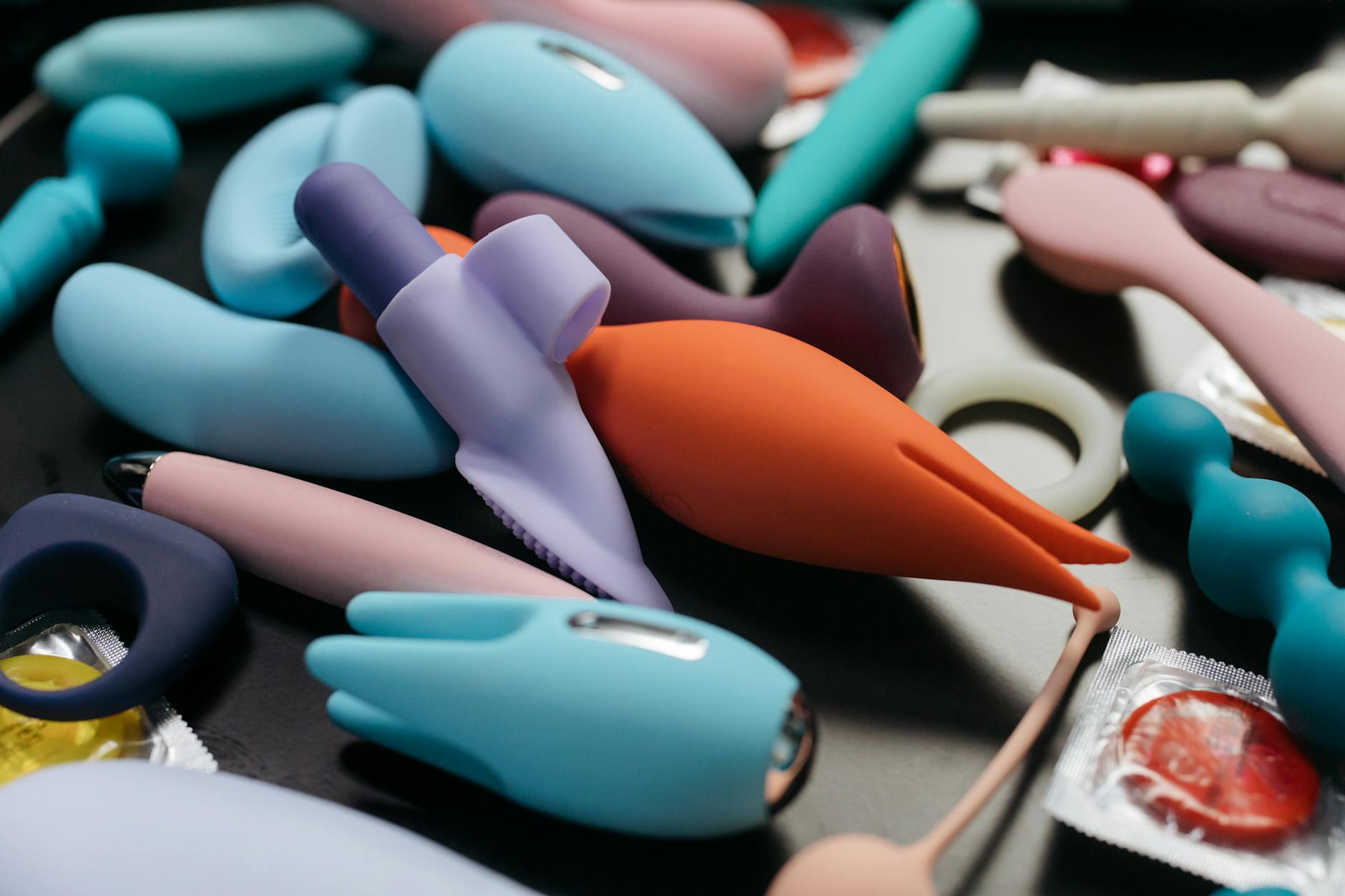
Trauma changes how your body feels pleasure
Let's be real. Emotional trauma doesn't just sit in your mind. It lives in your nervous system, your muscles, your skin. When you've been through betrayal, grief, violation, or shame, your body learns to protect itself. That protection shows up as numbness, disconnection, or outright fear when sex or pleasure enters the conversation.
Rebounding from that is not about forcing yourself to feel good. It's about giving your body permission to remember what safety feels like first.
That's where lemon vibrators come in. They're not a cure. They're a tool that helps your nervous system gradually downshift from threat mode back to sensation mode. And the data backs this up. Survivors of trauma who use targeted clitoral stimulation (like suction-based tools) report higher rates of successful pleasure reconnection than those relying on traditional vibration alone.
Why suction-based lemon clitoral vibrators are different after trauma
After emotional trauma, direct vibration can feel overstimulating or even triggering. Your nervous system is already in overdrive. A hard, persistent buzz can amplify that dysregulation.
Lemon vibrators work differently. The suction mechanism creates a gentle, rhythmic pulling sensation rather than high-frequency hammering. This activates a different set of nerve endings. It's less aggressive. It's more controllable. And crucially, it gives your body micro-moments of safety with each pulse.
Here's the neuroscience part made simple. Trauma lives partly in the freeze response. Your vagus nerve gets stuck in a protective state. Gentle, rhythmic stimulation activates the parasympathetic nervous system. Your body starts to learn that pleasure can coexist with safety. That's not magic. That's neurology.
Start with zero pressure on yourself
The biggest mistake people make when rebuilding sexual confidence is treating it like a goal to hit. "I should be able to orgasm by week three." That mindset recreates the same performance pressure that often accompanies trauma in the first place.
Instead, reframe the entire project. You're not aiming for orgasm. You're aiming for sensation. You're aiming for five minutes where your body feels something other than numbness or fear. That's success.
When you first use a lemon vibrator after trauma, start with these boundaries:
- Set a time limit. Maybe five minutes. Maybe ten. The point is you know it'll end.
- Use the lowest intensity setting. The Lem vibrator, for example, has patterns 1 through 9. Start at 1.
- Keep your eyes open if that feels safer. Closed eyes can feel vulnerable.
- Have an exit plan. Know that you can stop anytime, and stopping doesn't mean failure.
Layer in sensation slowly
Rebuildng pleasure after emotional trauma is not a linear process. Some sessions will feel easy. Others will feel blocked or strange. That's normal. Your nervous system is recalibrating.
Week one and two should be exploration with zero expectations. Just let the sensation happen. Your job is noticing, not achieving. Notice the texture. Notice the rhythm. Notice where on your body the feeling registers.
Week three and four, you can start playing with intensity levels. Move from pattern 1 to pattern 2. Stay there for a few sessions. Your body needs repetition to rebuild trust with pleasure.
By week five or six, if things feel good, you can start exploring what feels best. But stay in charge. You control the intensity. You control the duration. That autonomy is part of the healing.
Create conditions where your nervous system can relax
You can have the best lemon sucker in the world, but if your nervous system is still in fight-or-flight, pleasure won't land. This is why context matters as much as the tool.
Before you use a lemon clitoral vibrator, spend fifteen minutes doing something that genuinely settles your body. For some people, that's a warm bath. For others, it's listening to a specific song or sitting outside. Pay attention to what actually works for you. Not what you think should work.
Dim the lights. Lock the door if you need to. Make sure your phone is genuinely off, not just silenced. These aren't luxuries. They're nervous system infrastructure.
One thing I recommend to clients rebuilding after trauma. Create a small ritual that signals to your body that this time is safe and just for you. Light a candle. Put on a specific piece of clothing. Play a particular song. Your nervous system learns patterns. A consistent ritual tells your body: "We've done this before, and it was okay."
Use a lemon vibrator with your partner only if you're ready
If you're in a relationship, you might feel pressure to involve your partner in your pleasure rebuilding. Don't do that until solo exploration feels stable and predictable.
When you are ready to bring a partner in, that conversation happens first. Not during sex. Not in the bedroom. Before. Tell them what you're rebuilding. Tell them what helps you feel safe. Tell them what doesn't. The best partners will listen without trying to fix it or make it weird.
If your partner gets defensive or uncomfortable about your trauma recovery, that's information. That's not your problem to solve.
For guidance on how to actually use a lemon vibrator with a new partner once you're ready, this resource on partner communication helps.
What happens when pleasure starts to return
At some point, you might notice that your body starts anticipating sensation. You'll think about using your lemon vibrator and feel a flutter. You'll reach that moment where the device activates and your body goes "oh, this again" with recognition instead of fear.
That's the moment your nervous system has genuinely shifted. That's not healing yet. That's the threshold.
After emotional trauma, full pleasure recovery usually takes months, not weeks. Some days you'll feel like you're back at square one. That's the nature of trauma processing. Your body heals in layers. It's not a straight line.
But here's what matters. Once your nervous system learns that this specific sensation is safe, that suction-based stimulation with a lemon vibrator can feel good, that pleasure doesn't equal danger. Once your body holds that knowledge. It doesn't forget it.
When to bring in professional support
If you're working with a trauma-informed therapist, tell them you're using tools like lemon vibrators as part of your pleasure recovery. A good therapist will get it. They'll understand that reconnecting with your body's capacity for sensation is part of the broader healing work.
If you notice that using a lemon vibrator consistently triggers panic, dissociation, or flashbacks, pause and reach out to a trauma specialist. Some trauma needs more support than a tool can provide. That's not a failure. That's wisdom.
If desire has completely vanished and isn't returning after a few months of gentle exploration, that might signal something else is happening. It could be depression. It could be a side effect of medication. It could be that your body needs different support. A conversation with your doctor or therapist is worth having.
The pleasure you're rebuilding is yours
Here's what I want you to know about using a lemon vibrator after emotional trauma. This isn't about performing pleasure for anyone else. It's not about proving you're "over it." It's about your body learning, slowly and safely, that sensation and safety can coexist.
Your pleasure matters. Your reclamation of it matters. And the tools you choose, like quality clitoral vibrators from Hello Nancy, matter because they communicate to your nervous system: "I'm taking myself seriously. I'm worthy of feeling good."
That's not frivolous. That's resilience.