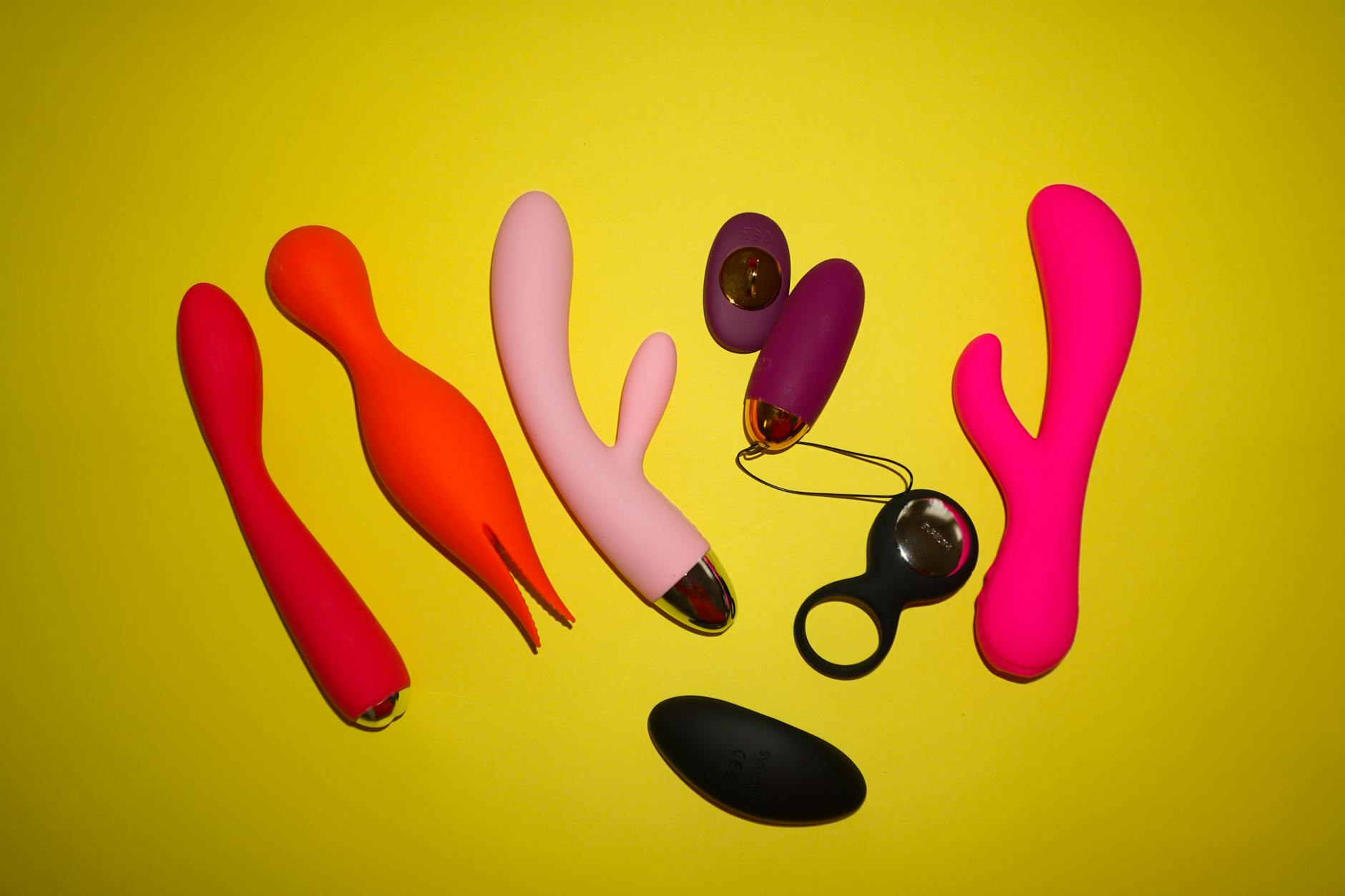
Getting back to pleasure after your body's been through something
Let's be real. When you're recovering from surgery, injury, or a medical event, people talk about physical therapy, pain management, and "taking it easy." Nobody mentions sex toys. Which is weird, because pleasure and healing are connected in ways medicine is only starting to document properly.
The truth: returning to lemon vibrators after surgery or injury isn't reckless or tone-deaf to your recovery. It's actually a form of self-care, if you time it right and listen to your body. Here's what you need to know.
The healing timeline: what's actually happening in your body
Different surgeries and injuries have different timelines, but the biology is similar. Your body goes through three overlapping phases of tissue healing. The inflammatory phase happens first, usually the first few days. Then comes proliferation, where new tissue forms. Finally, remodeling, which can take months.
During the inflammatory phase, anything that increases blood flow to the injury can increase swelling. That's why your doctor says rest. During proliferation and remodeling, gentle stimulation can actually help.
The problem: your nervous system doesn't distinguish between "bad" stimulation and "good" stimulation during early recovery. Everything feels intense. A lemon vibrator's suction and pulsation, which normally feels incredible, might feel overwhelming or painful if your body is hypersensitive.
Timing matters more than you think.
When you can safely start using lemon vibrators again
The answer depends on what happened. Here's the framework I share with clients.
Pelvic or vaginal surgery (including dilation and curettage, colposcopy, or gynecological procedures): Usually safe to explore external stimulation after 1 to 2 weeks, assuming no active bleeding or discharge. Internal exploration (penetration) typically needs 4 to 6 weeks minimum.
Abdominal surgery (appendectomy, hernia repair, C-section): External clitoral stimulation with a lemon vibrator is usually fine after 3 to 4 weeks if the incision is closed and pain-free. Avoid any pressure directly on the incision line.
Pelvic floor injury or tension (tear, strain, or physical therapy): This is tricky. Stimulation can help pelvic floor function, but not until inflammation has settled, usually 2 to 3 weeks. Work with your pelvic floor PT first.
Non-pelvic injury (knee, shoulder, arm): This is your green light. You can return to lemon vibrators as soon as the injury doesn't directly interfere with positioning or comfort. For most injuries, that's days or weeks, not months.
Your surgeon or doctor has the final say. Ask them directly. "When can I use a vibrator again?" is a legitimate medical question.
Starting again: three rules that actually work
Once you get clearance, don't just pick up where you left off. Your nervous system needs a reset.
Start external only. If you've been using a lemon vibrator internally before, wait. Go back to external clitoral stimulation for at least your first few sessions. The Lem's suction design is actually perfect for this phase because it's non-invasive and you control the intensity entirely.
Begin on the lowest setting. Not pattern 1 or 2 if your device has numbered intensity levels. Start at the absolute minimum. Your tissue has been through something. Nerve endings are extra sensitive. What felt medium before might feel overwhelming now.
Keep sessions short. Fifteen minutes, max, for your first few times back. You're not here to orgasm yet. You're here to reconnect your nervous system with pleasure, slowly. Orgasm will happen when your body is ready.
Pain is information. Pleasure should feel like relief.
Here's where people get confused. Some discomfort is normal when you're stretching and strengthening healing tissue. A gentle pressure or mild ache that eases as your body warms up is different from sharp pain or burning.
Sharp pain is a stop sign. Stop immediately. Wait another week and try again.
Mild pressure that softens as you continue is usually fine. So is the feeling of tightness relaxing. You're retraining your pelvic floor and tissue elasticity. That takes time.
The difference: does the sensation feel like it's moving toward pleasure, or away from it? If you're tensing up and bracing, stop. If you're gradually relaxing and your breath is deepening, keep going.
What lemon vibrators are particularly good for during recovery
Suction-based clitoral vibrators like the Lem have a real advantage during healing because they work through indirect stimulation. The device doesn't require penetration, deep pressure, or sustained friction. You control the contact intensity completely. And the suction pattern typically feels gentler on hypersensitive tissue than traditional vibration.
If you've been using a different type of toy before surgery, this might actually be the moment to try the Lem for the first time. Many clients find that the sensation feels less triggering to healing tissue and helps rebuild confidence in their body.
Wand vibrators or internal toys? Save those for later, when you're back to full sensation.
Emotional recovery is real too
Here's something nobody talks about. Surgery or injury doesn't just change your body physically. It can mess with your sense of agency and control. You've spent weeks being told you can't do things. Being passive. Following restrictions.
Returning to solo pleasure, on your timeline, using a lemon vibrator that you control completely, is a quiet way to reclaim that agency. It's not just physical. It's psychological.
Take your time. Some people bounce back in weeks. Others need months before pleasure feels comfortable again. Both are normal.
If you're returning to partnered pleasure
Communication here is non-negotiable. Your partner needs to know that your body is different right now, and that's temporary. It doesn't mean they did something wrong. It doesn't mean you've lost desire.
Consider using a lemon vibrator together. Many couples find that shared toy use during recovery actually deepens intimacy because it removes pressure. Neither of you is performing. You're both just exploring what feels good right now.
If penetration isn't safe yet, there are still plenty of ways to be close. Clitoral stimulation, external touch, oral sex if that feels safe. The toy becomes part of a bigger picture.
When to call your doctor
If you experience increased pain, bleeding, or discharge after using a vibrator, contact your surgeon immediately. If numbness in the area persists beyond what your doctor said was normal, mention it. If you're three months out and sensation still feels off, get checked.
Most of the time, returning to vibrators is straightforward and safe. Sometimes there are complications or underlying issues that need professional attention. That's why you ask first.
The bottom line
Recovery doesn't mean giving up pleasure. It means being intentional about how you return to it. Start slow. Listen to your body. Use the right tool for this phase. And remember that getting back to yourself, including sexual self-care, is part of healing, not a distraction from it.
Your body is resilient. So is your pleasure.
People also ask
Can I use a lemon vibrator immediately after surgery?
No. Your body needs at least a few days to stabilize, and inflammation typically peaks in the first week. Most surgeons recommend waiting 1 to 4 weeks before returning to any sexual activity, depending on the procedure. External clitoral stimulation with a lemon vibrator is usually the first thing you can safely try, but timing varies. Ask your surgeon for their specific timeline.
Will using a vibrator affect my healing?
If you time it right and start gently, no. In fact, once inflammation has settled, light sexual stimulation can improve pelvic blood flow and help pelvic floor function. The key is avoiding activity before your body is ready. Starting low and going slow protects healing tissue. If pain increases afterward, you went too soon.
Is it normal for sensation to feel different after surgery?
Yes. Nerve endings can be irritated, scar tissue can shift sensation, and hypersensitivity is common. Most of the time, this normalizes within a few weeks to a few months. If sensation is still significantly altered three months out, mention it to your doctor. Pelvic floor physical therapy can help in many cases.
Can I use my lemon vibrator internally after pelvic surgery?
Usually not right away. Ask your surgeon, but most recommend waiting 4 to 6 weeks before internal penetration, even with a small toy. External clitoral stimulation is typically safe much sooner. Once you're cleared, start with external use and work up to internal gradually over multiple sessions.
What if my partner wants to resume sexual activity before I'm ready to use a vibrator?
Tell them. Clearly. Recovery timelines are medical, not negotiable. Your body gets a vote. Using a lemon vibrator when it feels right is your choice, on your timeline. If your partner is pushing you to resume activity before you're physically ready, that's a relationship issue worth addressing with a therapist.
Should I clean my lemon vibrator differently during recovery?
Yes. During healing, your tissue is more vulnerable to infection. Wash your vibrator with soap and warm water before each use. Consider using a water-based lubricant during recovery too, even if you didn't before. It reduces friction and makes the whole experience gentler on healing tissue.
References and resources
- American College of Obstetricians and Gynecologists (ACOG). Returning to activity after pelvic surgery: patient information guidelines.
- Herman, H., & Barth, K. H. (2004). Pelvic floor rehabilitation after gynecological surgery. Current Opinion in Obstetrics and Gynecology.
- Montoya, T. I., & Calderón, B. (2019). Sexual dysfunction and the role of pelvic floor physical therapy. Current Sexual Health Reports.
- Basson, R. (2000). The female sexual response: a different model. Journal of Sex and Marital Therapy.