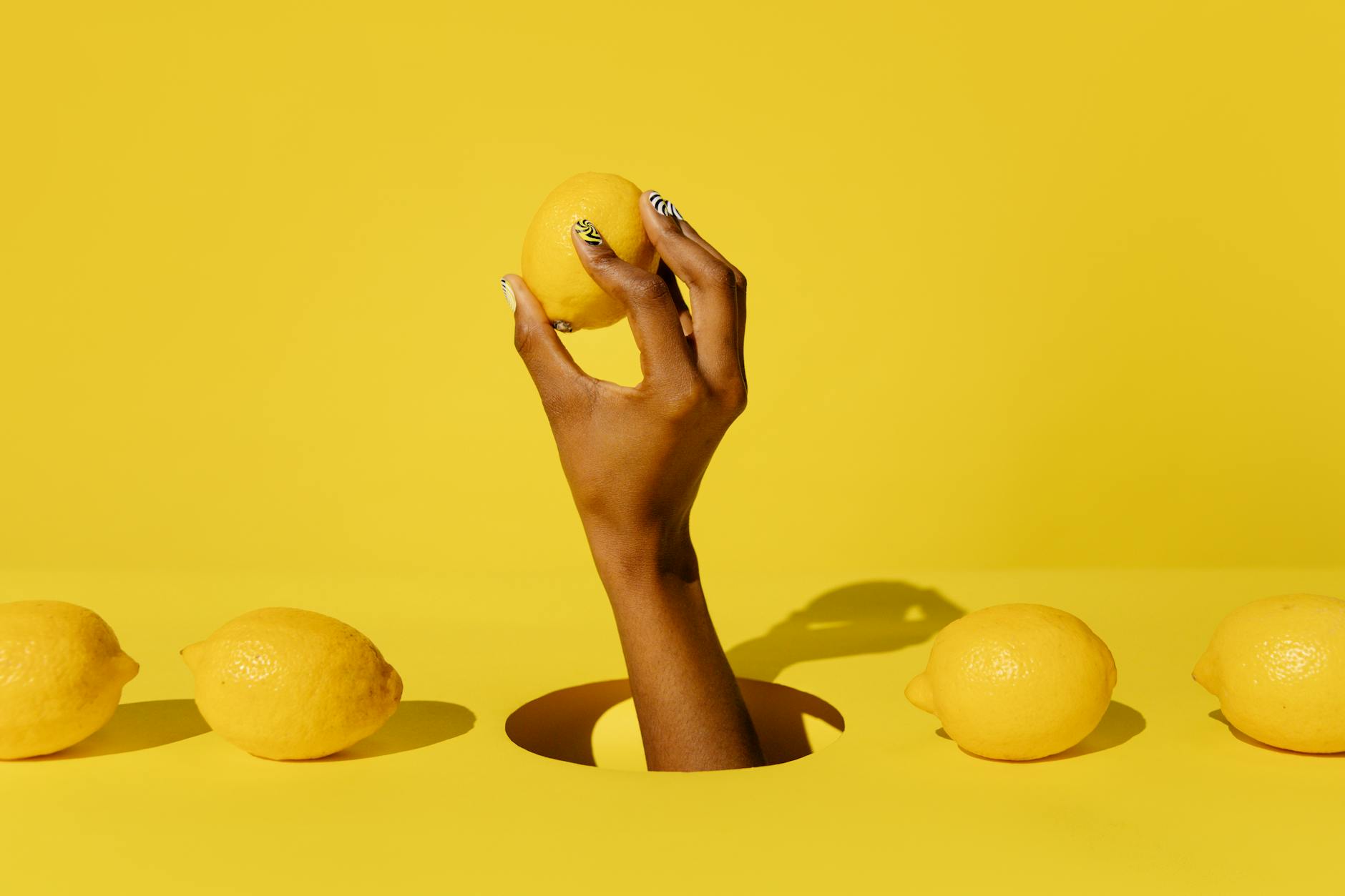
Why your lemon vibrator doesn't feel the same every week
Here's something nobody tells you: the best time to use your lemon vibrator isn't the same every time you want an orgasm. Your hormones shift throughout your cycle, and those shifts change how your clitoral tissue responds to stimulation. The sensitivity, the speed of arousal, the intensity of orgasm. All of it moves week to week.
This isn't a flaw in how your body works. It's intelligence. And once you understand the pattern, a lemon sucker becomes wildly more effective because you're working with your body instead of fighting it.
Week one: The bleeding phase and why sensation feels muted
During menstruation, estrogen and progesterone are at their lowest. This means your clitoris has less blood flow, and the neural pathways for pleasure feel less excitable. Pain sensitivity can also drop, which is why some people can handle more intense vibrator patterns during their period.
However, many people report that orgasms during this week feel less intense. The arousal ramp takes longer. Your lemon vibrator might feel less potent even at the same intensity setting you used two weeks earlier.
What helps: Start lower on the intensity dial. Give yourself 20-30 minutes instead of 15. If you're using the Lemon Clitoral Vibrator, patterns with a steady rhythm (not pulsing) often feel more satisfying because your nervous system isn't primed for complexity. Your pelvic floor might also feel more tender, so gentler suction stimulation beats aggressive patterns.
Week two: Post-period surge and peak sensitivity
As estrogen climbs during the follicular phase, your clitoris becomes increasingly engorged. Blood flow increases. Nerve endings feel more awake. This is typically when pleasure seekers report their strongest sensations and fastest arousal.
If you've ever wondered why a lemon vibrator felt absolutely incredible one particular week, this is probably it. Your tissue is literally more responsive. The same pattern that felt medium-intensity last week now feels intense.
This is also the sweet spot for exploring. If you want to test new patterns, new speeds, or even a different toy, this week is your window. Your body is most able to distinguish between subtle variations in stimulation.
What helps: Go bolder. Move up in intensity. Try the more complex patterns. Your nervous system can handle nuance. This is when clitoral vibrators deliver their strongest results. Some people also orgasm more easily this week and can have multiple orgasms closer together.
Week three: The ovulation peak and full-body response
Right around ovulation (usually cycle day 14), estrogen hits its highest point before dropping again. This is when your clitoris is maximally engorged, and your whole pelvic floor is waking up. Arousal can happen almost instantly.
Here's the quirk: many people report that orgasms feel different. Not just stronger in the clitoris, but more full-body. Your pelvic floor contracts more forcefully. Your legs might shake. Your sensation travels further up into your abdomen.
This is also when libido tends to spike. If you're partnered, this week often feels like the easiest time to want sex. If you're solo, your appetite for stimulation climbs.
What helps: This is when a lemon vibrator shines. The precision suction of a clitoral vibrator works beautifully here because your tissue is fully receptive and can handle both intensity and subtlety. Some people use this week to explore longer sessions because arousal sustains itself. You might also notice that foreplay becomes less necessary. Your body is primed.
Week four: The luteal descent and the slow burn
Once ovulation passes and progesterone rises, estrogen begins dropping again. This is the luteal phase, and it lasts roughly 10-14 days depending on your cycle length. Your clitoris begins to lose that engorged feeling. Arousal takes longer to build.
However. This doesn't mean pleasure disappears. It changes shape. Many people report that orgasms in this phase feel deeper and more internal, less focused on the clitoral tip. The sensation might move differently through your body.
Sensitivity also becomes unpredictable in the luteal phase. Some days you want intense stimulation. Others, anything direct feels too much. This is partly hormonal and partly because your nervous system's baseline stress sensitivity shifts.
Toward the very end of the phase (a few days before bleeding), some people find their clitoris feels almost numb. This is when you might want to pause the vibrator entirely and come back to it once your period starts.
What helps: Slower patterns. Lower intensity overall. More lube (even if you don't typically need it). Take longer. Your body isn't being difficult. It's asking for a different rhythm. Some people also find that the luteal phase is when they most enjoy partnered activity over solo play, because emotional connection becomes more important than orgasm speed.
Tracking your own cycle and vibrator response
Here's the practical part: you don't need to be obsessive about this. But you do benefit from noticing patterns. For one cycle, jot down three things. The day of your cycle. The intensity level you used on your lemon vibrator. How the orgasm felt (faster? slower? more intense? more internal?).
Within two or three cycles, a pattern will emerge. You'll know that week two is when you can crank the intensity. Week four is when you want gentler suction. You'll anticipate shifts instead of feeling confused by them.
This also makes you a better partner. If you understand your own cycle intimacy, you can communicate it. "This week my clitoris needs more time to wake up." "Right now, intense feels amazing." Your partner stops guessing and starts listening.
The stress and sleep variable
Hormones aren't the only thing that shifts pleasure. Sleep, stress, and where you are in your broader life all move the needle. Someone in the ovulation week of a high-stress work cycle might have less sensitivity than someone in the luteal phase of a relaxing vacation.
The cycle rhythm I've described is the baseline. But your actual experience lives in the overlap between hormones and life. This is why tracking matters. Once you know the cycle pattern, you can spot the exceptions and ask better questions: Am I tired? Did something stress me today? Am I actually feeling this way, or am I fighting against my body's signal?
A lemon clitoral vibrator works best when you're working with your body, not against it. That alignment starts with knowing what your body is actually asking for.
Going deeper: the clitoral anatomy nobody explains
Your clitoris isn't just the visible bump. It's a whole internal structure that changes shape throughout your cycle. The glans (the part you see) swells and shrinks. The erectile tissue inside fills with blood or releases it. During high-estrogen weeks, the entire structure becomes more rigid and responsive. During low-estrogen phases, it softens.
This is why the pattern that felt perfect two weeks ago might feel off now. The tissue is literally a different size and firmness. A clitoral vibrator that uses suction, like a lemon vibrator, adapts better to these changes than fixed vibrators because suction conforms to your current anatomy rather than forcing a preset contact pattern.
When to see a doctor about cycle changes
If your pleasure sensitivity changes dramatically from month to month (not week to week, but month to month), or if you suddenly lose sensation entirely for multiple cycles, that's worth mentioning to a doctor. Thyroid shifts, hormonal birth control changes, and nutritional deficiencies can all flatten pleasure response.
But normal week-to-week variation? That's not a problem. That's your body working exactly as designed.
The bigger picture: pleasure as a monthly practice
Most of us approach pleasure like a light switch. On or off. But your body thinks in cycles. Your clitoris thinks in rhythms. The most satisfying sexual life isn't about forcing the same experience every time. It's about understanding your patterns and leaning into them.
When you use a lemon vibrator in sync with your cycle, you're not just optimizing for orgasms. You're building a relationship with your body's intelligence. You're learning to trust signals instead of fighting them. And that skill transfers everywhere: to partnered sex, to solo play, to how you communicate about your own needs.
Your cycle isn't a limitation on pleasure. It's the architecture of it.
People also ask
Why does my lemon vibrator feel less effective during my period?
During menstruation, estrogen and progesterone are at their lowest, meaning less blood flow to your clitoris and lower nerve excitability. Your tissue is less engorged, which changes how it responds to suction stimulation. The sensation isn't gone. It's just muted. Start at lower intensity settings and give yourself more time for arousal to build. Some people find that a steady rhythm works better than pulsing patterns during this week.
Can I use a lemon clitoral vibrator while menstruating?
Absolutely. Many people find that their pain tolerance is actually higher during menstruation, which can make it easier to use vibrators. The only thing to keep in mind is that your sensitivity is lower, so you might want gentler patterns than usual. Clean your toy before and after as always, and use a water-based lubricant if you need it. Your period is not a pause button on pleasure.
Does birth control change how lemon vibrators feel?
Yes. Hormonal birth control flattens the natural cycle rhythm, which means your clitoris doesn't experience the same week-to-week swelling and sensitivity changes. Some people report feeling more consistent pleasure overall (which they prefer). Others find that the pleasure becomes less intense because they're missing the natural estrogen surge. Non-hormonal birth control methods don't change the cycle rhythm, so you'll still notice weekly variations.
Is it normal for orgasms to feel different each week?
Completely normal. The intensity, duration, and sensation of orgasms shift throughout your cycle because your hormones, pelvic floor tension, and clitoral engorging all change. Some weeks your orgasm might feel sharp and localized. Other weeks it might feel full-body and deeper. Both are you. Both are working correctly. Tracking these changes over a few cycles helps you understand what's normal for you.
Why does my clitoris feel numb right before my period?
In the last few days of the luteal phase (right before bleeding), estrogen and progesterone both drop sharply. This causes your clitoris to lose engorging quickly, and the sudden hormonal dip can also numb sensation temporarily. This is temporary and completely normal. Once your period starts and hormones stabilize at their lowest point, sensation usually returns. If numbness persists for weeks, check with a doctor.
Can I track my cycle to use my lemon vibrator better?
Yes, and it helps tremendously. For one to three cycles, note the date, the intensity setting you used, and how the experience felt. Within two cycles, patterns emerge. You'll know which weeks need gentler touch and which weeks you can go intense. You'll also spot exceptions (stress, sleep, life events) that override the hormonal pattern. This knowledge transforms solo pleasure from guesswork into intentional practice.
Sources
The menstrual cycle research cited in this article draws from clinical studies on hormonal fluctuations and their effects on genital sensation, including work on estrogen's role in clitoral blood flow and erectile tissue response. Research on cyclic changes in sexual response has been documented in journals of sexual medicine and reproductive endocrinology. For specifics on cycle tracking and pleasure, consultation with a menstrual health specialist or gynecologist familiar with sexual response is recommended. Hello Nancy prioritizes evidence-based information and welcomes corrections or citations from peer-reviewed sources.