Here's what nobody tells you about low libido
Your desire didn't vanish. It got buried. There's a difference, and it matters because one suggests a permanent malfunction, and the other suggests something worth digging toward.
Low desire—whether it's arrived recently or been hanging around for years—usually has a reason. Stress, relationship friction, medication, burnout, hormonal shifts, past sexual hurt, or just the weight of being human in a tired body. Sometimes it's all of those at once. The reason your lemon vibrator matters isn't that it magically fixes desire. It's that it works around the friction keeping your arousal stuck, so you can rebuild pleasure at a pace that actually works for you.
Why traditional stimulation stops working when desire is low
When libido dips, your nervous system is usually in a defensive state. You're not broken. You're protecting yourself, often without realizing it. That protection shows up as numbness, as difficulty getting aroused, as feeling disconnected from sensation—and it makes standard vibration feel even more distant.
Traditional vibrators rely on you already having a baseline of interest. They work through friction and intensity. When desire is low, friction feels like pressure, and intensity feels overwhelming. You end up forcing it, which makes the whole experience feel like a chore rather than a return to pleasure.
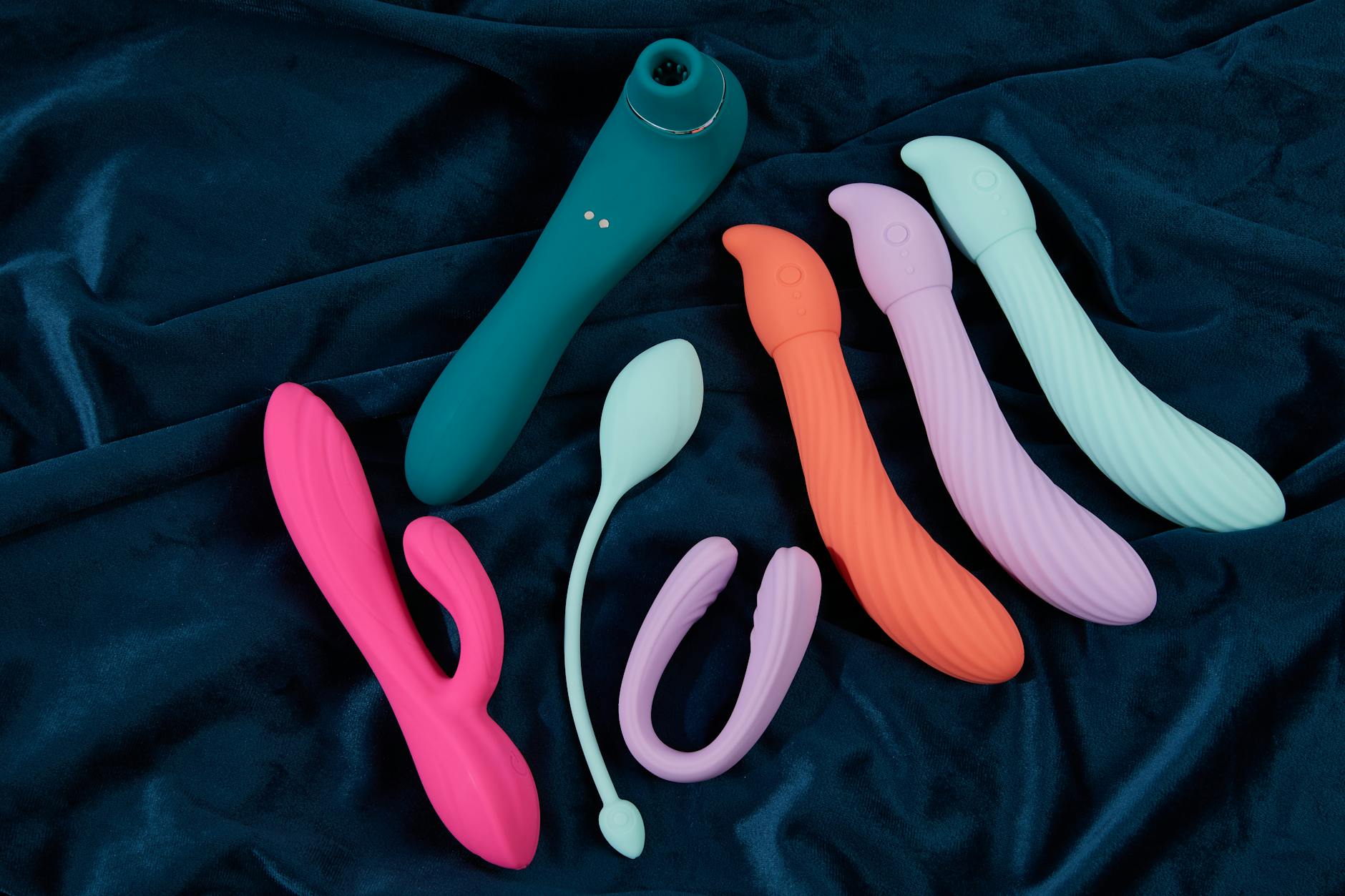
A lemon clitoral vibrator works differently. The suction mechanism doesn't depend on you already being aroused. It doesn't require friction or movement from you. It creates sensation through gentle pressure and release, which is neurologically closer to how your body naturally builds arousal from rest. This makes it uniquely useful for people whose desire has gone quiet.
Starting small when desire feels completely absent
Honestly, don't begin with the goal of having an orgasm. That's the pressure talking. Your job right now is gentler: to create a small window where your body can remember that sensation is available to you without judgment.
Begin with the Lem at the lowest setting. We're talking pattern one, barely there. This isn't testing whether it works. It's introducing your body to a new kind of touch without triggering the "I should be more aroused by now" spiral that kills the whole thing.
Spend the first session just noticing. Where does the sensation feel strongest? Does it shift as you stay with it? Can you breathe slowly instead of holding your breath? That's genuinely all you're doing in week one.
Many people skip this step because they assume they should jump straight to pleasure. Then they wonder why it doesn't work. Your nervous system needs permission to move slowly. A lemon sucker gives you that permission because it's doing the work. You don't have to perform.
Building arousal back up when it's been dormant
Desire is like a muscle you haven't used in a while. You don't start by lifting the heaviest weight. You build gradually.
Once you've spent a few sessions just noticing sensation, introduce a simple addition: a change of environment or a small adjustment to comfort. Maybe you use the lemon vibrator in a different room. Maybe you change the time of day. Maybe you add a pillow under your hips for different pressure. These aren't about intensity. They're about sending your brain the signal that this is new, that something different is happening.
After a week of this, start introducing intentional arousal cues. Not performance. Cues. This might mean five minutes with something you find genuinely interesting—a book, a thought, an image. Then you bring the lemon clitoral vibrator into that gentle arousal, rather than expecting it to create arousal from zero.
You're essentially scaffolding: small arousal plus gentle external sensation plus time equals a nervous system that starts to remember what desire feels like.
The role of mental blocks and how your tool works around them
Here's the thing about low libido: half of it is physical, and half is mental. Sometimes more than half is mental.
You might have guilt attached to pleasure. You might have learned somewhere that your desire isn't worthy. You might be angry at your partner or yourself and not realize that anger is sitting in your pelvis. You might have a past hurt that your body is protecting you from by simply shutting down.
A lemon vibrator can't fix any of those things directly. But here's what it does: it removes the requirement for you to "get aroused naturally." That removes a massive cognitive load. You don't have to think "Why aren't I more interested? What's wrong with me?" You can just focus on sensation.
For people with mental blocks, this is surprisingly powerful. You get to separate the physical sensation from the shame narrative, at least for twenty minutes. And sometimes that separation is the first crack in the dam.
If you're carrying heavier blocks—trauma, deep relationship rupture, significant depression—a lemon sexual toy is a helpful companion, not a replacement for therapy or relationship work. But it's still worth using because it keeps you tethered to your own body while you're doing the deeper work.
Using lower intensity and unusual patterns when nothing else lands
If you've been using a lemon vibrator for a few weeks and still nothing, try the opposite of what your instinct says.
Most people assume "I need to feel MORE to want more." So they crank up the intensity. But when desire is genuinely absent, intensity often just feels like numbness with more pressure. The sensation doesn't translate into arousal. It translates into "okay, I'm still waiting to feel something."
Instead, drop the intensity further. Stay at pattern one or two. Then try using it in a slightly different location. Not directly on the clitoris, but above it, or to the side, where the sensation is more diffuse. Some lemon vibrators have multiple patterns. Cycle through the gentler ones slowly rather than staying on your favorite.
The goal is to surprise your body. When your nervous system is stuck in "low desire mode," it stops registering stimulation as novel. Novelty is what wakes arousal up. Lower intensity plus different location plus slower pace plus different pattern creates novelty without feeling aggressive.
Timing, patience, and the weekly rhythm that actually works
You don't need to use your lemon vibrator daily when desire is low. That can actually reinforce the "I'm trying to fix myself" energy, which makes pleasure feel like a task.
Instead, pick one or two times per week. Tuesday evening and Saturday morning, whatever fits your actual life. Use it for fifteen to twenty minutes maximum. This isn't about duration. It's about consistency and spacing.
Consistency tells your nervous system: "We're doing this again, it's safe." Spacing prevents it from feeling like a chore or an obligation. And shorter sessions are actually better because they reduce the pressure to "achieve" something. Twenty minutes of gentle exploration beats sixty minutes of trying to force an outcome.
Expect three to four weeks before you notice a shift. I know that sounds slow. It is. But rebuilding desire that's been dormant isn't fast. It's steady.
When to bring in a partner, and when not to
If you're in a relationship, the temptation is to involve your partner early as a way of rebuilding "normal" sexuality. Often that backfires because now there's an audience, expectation, and pressure all at once.
Your first few weeks with a lemon clitoral vibrator are for you. Solo. This is where you rebuild the basic neural pathway from "I don't feel desire" to "I notice sensation." That's not selfish. That's foundational.
Once you've spent a month rebuilding that baseline on your own, you can begin a conversation with your partner if you want to. The conversation isn't "let's use this together now." It's "I've been rebuilding my relationship with pleasure, and it's helping. I want to keep doing this." Then you decide together whether, when, and how they're involved.
For many couples, low libido isn't actually about the device. It's about connection that's frayed somewhere else. How to Use a Lemon Vibrator to Reconnect With Pleasure After Relationship Changes covers that conversation specifically.
Medication, hormones, and when your lemon vibrator is helping the wrong thing
Sometimes low desire is a side effect of antidepressants, birth control, or other meds. Sometimes it's hormonal. A lemon sexual toy will help you rebuild pleasure within those constraints, but it won't change the constraint itself.
If your desire dropped suddenly after starting a new medication, talk to your doctor before you assume a vibrator will fix it. If your desire is tied to where you are in your cycle, track it for a few months so you understand the pattern. If you suspect low testosterone or estrogen, get bloodwork.
Your lemon vibrator is a tool for reconnecting with sensation and pleasure. It's not a fix for underlying medical causes. Use it alongside any medical conversations you need to have, not instead of them.
FAQ: Rebuilding Desire With a Lemon Vibrator
How long does it take to feel desire coming back after using a lemon vibrator?
Three to six weeks is typical. You'll notice small shifts first: maybe one session where sensation feels slightly sharper, or a moment during the day when you think "oh, that's interesting" about something. Those are the breadcrumbs. Full desire rebuild usually takes longer, especially if it's been absent for months or years. Be patient with the process.
Can a lemon clitoral vibrator make desire worse if I use it wrong?
Unlikely, but pushing too hard on intensity when your desire is low can make it feel mechanical rather than pleasurable. That reinforces the "this isn't working" feeling. Start low, stay there longer than you think necessary, and let intensity rise naturally from genuine interest, not from frustration.
What if I feel guilty using a lemon vibrator when I have low libido?
That guilt is often connected to the same nervous system response that's keeping desire low. You're not supposed to "earn" pleasure. You're allowed to explore sensation for its own sake, without proving anything or reaching an outcome. If guilt persists, talking to a therapist can help untangle the beliefs underneath.
Is it normal to feel nothing at all during the first few sessions with a lemon vibrator?
Completely. Numbness is often part of low desire. Your nervous system is protecting you by dampening sensation. Keep using the vibrator at low intensity anyway. You're slowly teaching your body that sensation is safe and available. The feeling will return.
Should I use my lemon vibrator if I'm also on medication for depression or anxiety?
Yes, absolutely. Continue your medication as prescribed and talk to your doctor if you have concerns about its effects on desire. Your lemon vibrator can help you maintain connection to your body while medication does its job. They're not in conflict.
Can using a lemon vibrator alone rebuild desire that's connected to relationship problems?
It can help you rebuild your individual capacity for pleasure, which is its own kind of powerful. But if the root cause is relational—anger, betrayal, disconnection—the vibrator works best alongside couple's therapy or a direct conversation with your partner. You can rebuild your own arousal while also addressing what's broken between you.
What comes after the rebuild
Once you've spent a month or two using your lemon vibrator at low intensity and rebuilding that baseline connection to sensation, something usually shifts. Not always dramatically. But you stop asking "will I ever feel desire again?" and you start asking "what would I actually enjoy?"
That's the moment the conversation changes. You've moved from "fix me" to "explore me." That's when you might feel ready to explore what different lemon vibrators feel like or introduce a partner. Or you might just keep going solo and find that's what works.
The lemon suction mechanism was never meant to be a magic fix for low desire. It's a tool that removes friction while you do the actual work of reconnecting. That work is patient. It's unglamorous. It's also real, and it works.